


Where Does Demolition Debris Go? Recycling and Disposal Explained
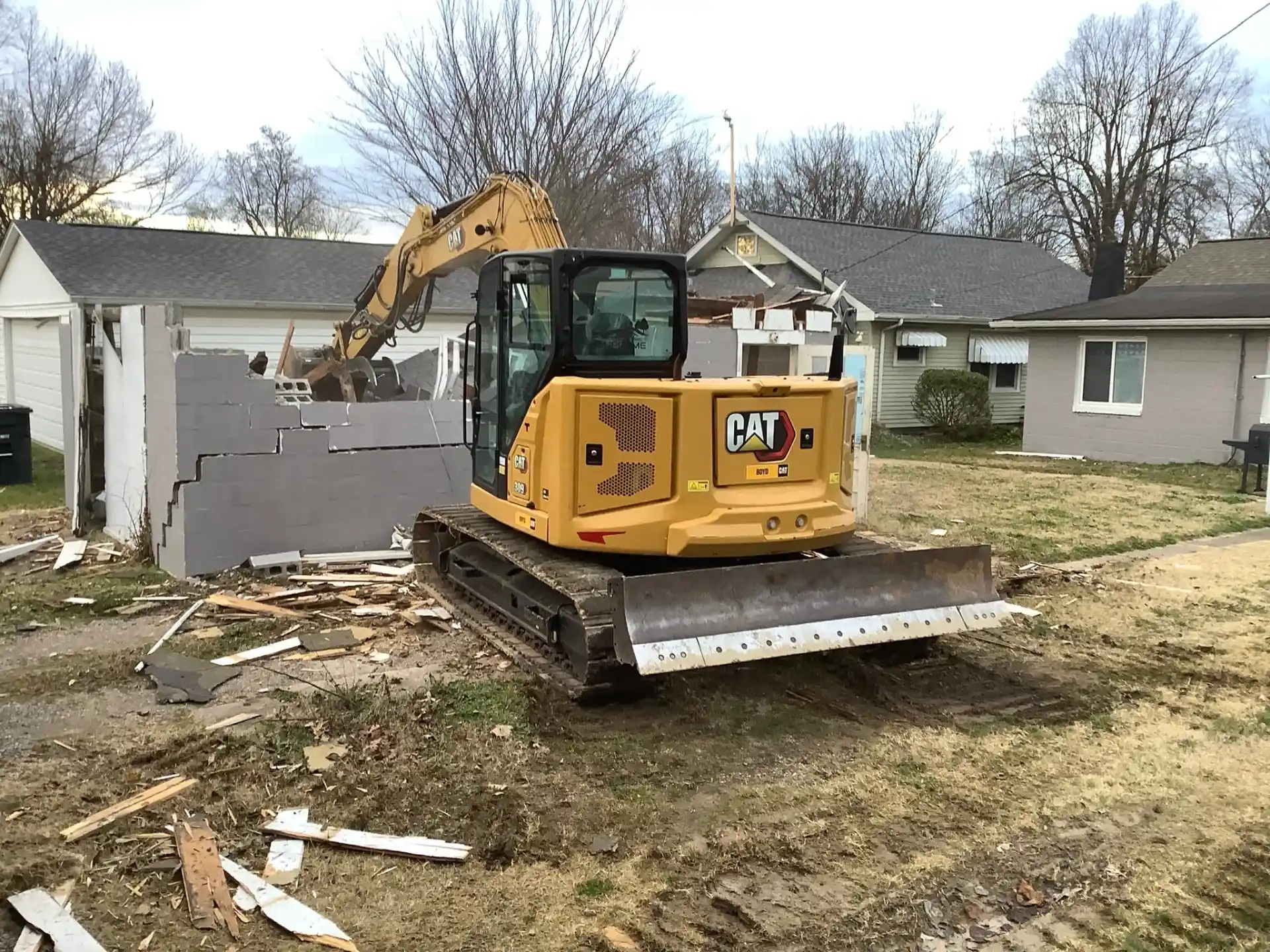
Once demolition begins, whether it's an old pool, a house, a concrete driveway, or cleared land, a significant amount of material needs to go somewhere. Understanding what actually happens to demolition debris, where it's hauled, how it's processed, and what gets recycled, can help homeowners feel more informed about the environmental and logistical side of their project.
What Counts as Demolition Debris
Demolition debris includes a wide range of materials depending on the type of project: broken concrete and rebar from pool or driveway demolition, wood framing, drywall, and roofing materials from house demolition, metal from various structural components, and soil or vegetation from land clearing projects. The specific mix of debris depends heavily on what's being removed.
How Debris Is Hauled Away
Once material is broken down and separated during the demolition process, it's loaded onto trucks and hauled to appropriate disposal or processing facilities. Larger projects, like a full house demolition, typically require multiple hauling trips given the volume of material generated, while smaller projects, like a single concrete slab removal, may only need one or two loads.
Concrete Recycling
Concrete is one of the most commonly recycled materials from demolition projects. Broken concrete, from pool demolition, driveways, patios, or foundations, is often taken to recycling facilities where it's crushed and processed into aggregate material, which can then be reused in new construction projects, road base, or other applications. This recycling process reduces landfill volume and gives old concrete a genuinely productive second life.
Metal Recycling
Rebar, metal framing, and other metal components pulled from demolition debris are typically separated out and sent to metal recycling facilities. Metal recycling is a well-established, efficient process, and this material rarely ends up in a landfill given its recycling value.
Wood and Framing Materials
Wood debris from house or mobile home demolition, framing lumber, trim, and similar materials, is handled differently depending on its condition and local facility options. Some wood waste can be processed into mulch or other reusable products, while damaged or treated wood often needs to go through standard construction debris disposal channels.
Drywall and Other Building Materials
Drywall, insulation, and other interior building materials generated during house demolition are typically disposed of through standard construction debris facilities. Some regions have specific recycling programs for drywall, though availability varies depending on local infrastructure.
Soil and Vegetation From Land Clearing
Land clearing projects generate a different type of debris entirely, trees, brush, and vegetation, along with excavated soil. Depending on the project and local facility options, vegetative debris is sometimes processed into mulch, while excess soil may be reused elsewhere on the property for grading purposes or hauled to appropriate disposal sites.
Why Proper Disposal Matters
Beyond environmental considerations, proper debris disposal is often a requirement tied to permitting and local regulations. Cities across the DFW Metroplex generally expect demolition debris to be hauled to approved facilities rather than dumped improperly, and working with an experienced contractor ensures this happens correctly and legally throughout your project.
How This Affects Your Project Cost
Debris hauling and disposal fees are typically factored into your overall demolition estimate. The volume and type of material generated by your specific project, along with current facility fees, both play a role in this portion of your project's cost. Larger projects with more debris naturally involve more hauling trips and higher associated disposal costs.
Questions to Ask Your Demolition Contractor About Debris
- Is debris hauling and disposal included in my estimate, or is it billed separately?
- Do you separate materials for recycling, such as concrete and metal, or is everything hauled together?
- How many hauling trips do you anticipate for a project like mine?
- What happens to excavated soil, is it reused on-site or hauled away?
Tips for Homeowners Curious About Debris Disposal
- Ask your contractor directly what percentage of your project's debris is typically recycled versus landfilled.
- If environmental impact matters to you, ask whether concrete and metal recycling are standard practice for your project type.
- Confirm that debris hauling and disposal costs are clearly included in your written estimate.
- For land clearing projects, ask whether excavated soil can be reused elsewhere on your property to reduce hauling needs.

Demolition debris doesn't simply disappear once it's hauled away, much of it, particularly concrete and metal, gets a second life through recycling. Understanding this process gives homeowners a clearer picture of what happens after the crew leaves their property.Have questions about how debris is handled for your project? Schedule your free estimate and get clear answers before work begins.


