


What to Know About Asbestos and Older Home Hazards Before Demolition
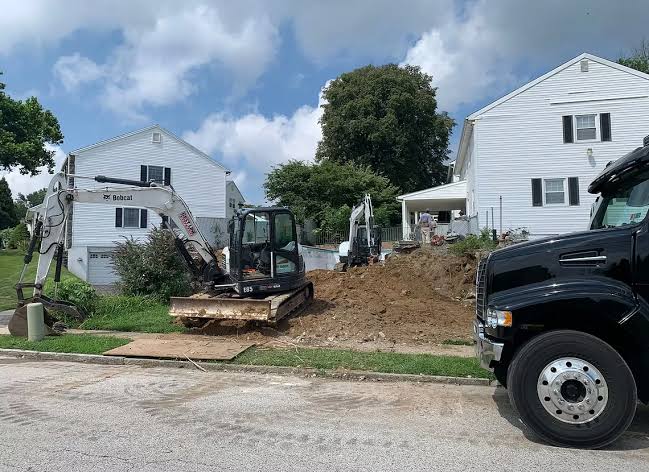
Older homes often carry a certain charm, but they can also come with hidden hazards that need to be addressed before demolition begins. Materials like asbestos, once commonly used in construction, require special handling to keep everyone involved safe. If you're planning to demolish an older home in the DFW Metroplex, here's what to understand about these hazards and why professional assessment matters.
Why Older Homes Often Contain Hazardous Materials
Homes built several decades ago were often constructed using materials and practices that are no longer standard today. Asbestos, for example, was widely used in insulation, flooring, siding, and other building materials up until the material's health risks became more widely understood and regulated. Similarly, older homes may contain lead-based paint, particularly in properties built before the material was phased out of residential use.
Why Professional Testing Matters
Because these hazards aren't always visible or identifiable without proper testing, professional assessment before demolition is an important step for older homes. Testing typically involves collecting samples from suspect materials and having them analyzed by a certified laboratory to confirm whether asbestos, lead, or other hazardous materials are present, and if so, in what areas of the structure.
What Happens If Hazardous Materials Are Found
If testing confirms the presence of asbestos or other regulated hazardous materials, specialized abatement procedures are typically required before general demolition can proceed. This work must be handled by professionals trained and certified specifically in hazardous material removal, following strict safety protocols and disposal requirements set by state and federal regulations.
Why This Isn't a DIY Situation
Handling materials like asbestos improperly can release hazardous fibers into the air, creating serious health risks for anyone nearby, both during the immediate demolition process and potentially for years afterward if not handled correctly. This is why asbestos and similar hazardous material remediation is handled by specially licensed and trained professionals, not as part of standard demolition work.
How This Affects Your Demolition Timeline
If your property requires hazardous material testing and, potentially, abatement, this typically needs to happen before standard demolition work begins. Building this step into your overall project timeline from the start helps set realistic expectations, since abatement work, when necessary, adds both time and cost to a demolition project.
Permits and Documentation Requirements
Many cities require documentation confirming that hazardous material testing has been completed before issuing a demolition permit for older structures. This documentation protects both the homeowner and the surrounding community by ensuring hazards are properly identified and addressed before demolition proceeds.
Coordinating Between Testing, Abatement, and Demolition
If your property requires specialized hazardous material remediation, coordinating between the testing company, the abatement contractor, and your demolition team is an important part of keeping your project on track. An experienced demolition contractor will often have established relationships with qualified testing and abatement professionals and can help coordinate this process on your behalf.
What Homeowners Should Ask Before Demolition Begins
- Has this property been tested for asbestos, lead paint, or other hazardous materials?
- If hazards are present, what abatement steps are required before demolition can proceed?
- How does hazardous material testing and potential abatement affect my overall project timeline?
- What documentation will I need for permitting purposes related to hazardous material assessment?
Why Addressing This Upfront Protects You
Skipping proper hazardous material testing on an older home isn't just a safety risk, it can also create serious legal and financial exposure if problems are discovered after the fact, or worse, during the demolition process itself without proper precautions in place. Addressing this step upfront protects your health, your neighbors, and your project's overall timeline and budget.
Tips for Homeowners Demolishing an Older Home
- Don't skip professional hazardous material testing, particularly for homes built several decades ago.
- Work with a demolition contractor experienced in coordinating with certified testing and abatement professionals.
- Build potential abatement time and cost into your overall project planning from the start.
- Keep all testing, abatement, and permitting documentation organized for your records.

Demolishing an older home involves more than just breaking down a structure, it requires proper attention to potential hazards that newer construction typically doesn't present. Taking this step seriously protects everyone involved in the project.
Planning to demolish an older home? Schedule your free estimate and get guidance on the full process, including any necessary testing.


