


What to Do With Salvageable Materials Before Demolition
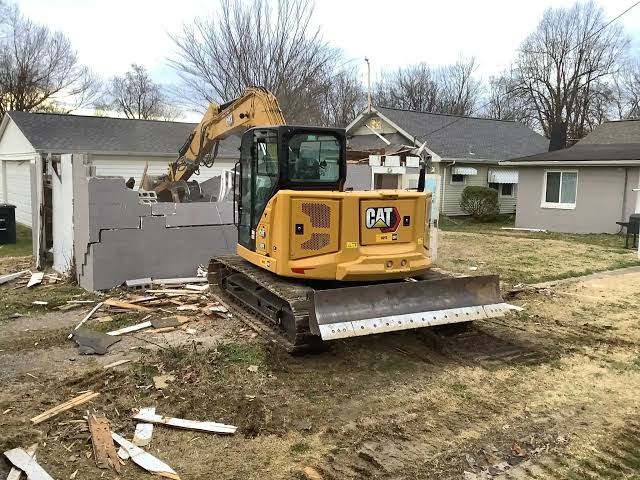
Before a house or mobile home comes down, it's worth taking a look around for anything worth saving. Fixtures, hardware, appliances, and architectural details can sometimes be salvaged before demolition begins, whether you want to reuse them in a new build, sell them, or simply avoid sending usable materials to the landfill. Here's what DFW homeowners should know about salvaging materials before a demolition project.
Why Salvaging Materials Is Worth Considering
Demolition destroys everything left inside and attached to a structure by the time the process is complete. If there are items of value, sentimental, functional, or financial, taking the time to remove them beforehand is the only way to preserve them. This is especially relevant for older homes, which sometimes contain materials or fixtures no longer commonly available or manufactured.
Common Items Worth Salvaging
Doors and Hardware. Solid wood doors, vintage hardware, and unique doorknobs or hinges are often sought after, either for reuse in a new home or for resale to salvage buyers.
Light Fixtures. Chandeliers, sconces, and other light fixtures, especially older or vintage styles, can hold real value and are relatively easy to remove before demolition.
Cabinetry. Kitchen and bathroom cabinets in good condition can sometimes be removed and reused elsewhere, whether in a new build, a garage, or a workshop.
Flooring. Hardwood flooring, in particular, can sometimes be carefully removed and either reinstalled elsewhere or sold, especially if it's an older, higher-quality wood no longer commonly used.
Appliances. Functioning appliances, refrigerators, stoves, water heaters, are often worth removing and either keeping, donating, or selling before demolition begins.
Windows. Depending on their age and condition, windows can sometimes be salvaged for reuse or resale, particularly if they feature older glass or unique framing.
Architectural Details. Trim work, mantels, built-in shelving, and other custom architectural details are often the most valuable salvage items, especially in older homes with craftsmanship that's difficult to replicate today.
Landscaping and Outdoor Features
Beyond the structure itself, it's worth considering whether any landscaping features, mature plants, decorative stonework, or garden structures, are worth relocating before demolition and site work begins. If you plan to keep certain landscaping elements, communicate this clearly with your demolition contractor so those areas can be protected during the project.
Coordinating Salvage With Your Demolition Timeline
Salvaging materials takes time, and it needs to happen before demolition crews arrive. If you're planning to remove specific items yourself, build this into your overall project timeline and communicate your plans with your demolition contractor so the schedule accounts for this step. Some homeowners work with salvage companies or donation organizations that can send a team to remove specific materials before demolition begins.
Donating Salvaged Materials
If you're not planning to reuse salvaged materials yourself, donation organizations focused on building materials sometimes accept usable fixtures, appliances, and architectural elements. This can be a practical way to give still-functional materials a second life while also potentially providing a tax benefit, depending on the organization and your specific situation.
Selling Salvaged Materials
For higher-value items, vintage fixtures, hardwood flooring, or unique architectural details, there's sometimes a market of buyers specifically interested in salvaged building materials. Local salvage yards or online marketplaces can be a starting point if you're interested in selling rather than donating or reusing these materials yourself.
What Happens to Materials Not Salvaged
Anything not removed before demolition begins is treated as standard demolition debris and hauled away along with the rest of the structure's materials. This underscores the importance of identifying and removing anything of value before the project starts, since once demolition begins, there's no opportunity to go back for items left behind.
Tips for Planning Salvage Before Demolition
- Walk through the property well before your scheduled demolition date to identify items worth salvaging.
- Build salvage time into your overall project timeline so it doesn't conflict with your demolition schedule.
- Research local donation organizations or salvage buyers if you're not planning to reuse the materials yourself.
- Communicate your salvage plans clearly with your demolition contractor so the project schedule accounts for this step.

Taking the time to identify and remove salvageable materials before demolition begins is a simple way to preserve value, reduce waste, and potentially offset some of your project's overall cost.
Planning a demolition project and want to talk through your timeline? Schedule your free estimate and get a clear plan that works with your salvage goals.


