


What to Do With Extra Fill Dirt or Topsoil From Your Project
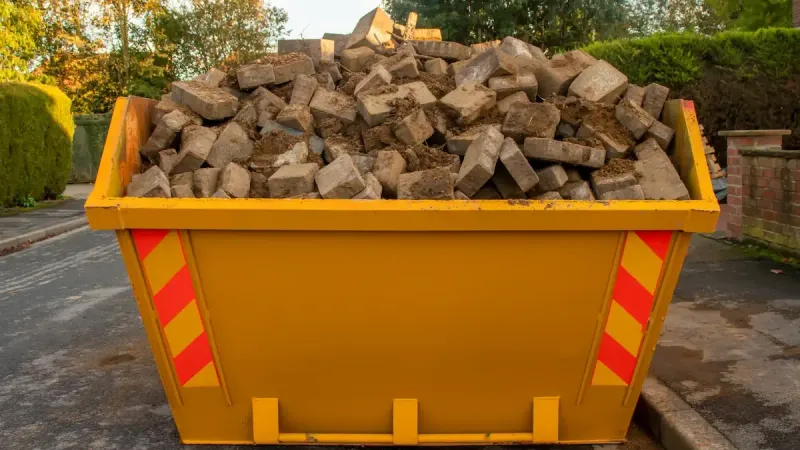
Demolition and land preparation projects sometimes generate more soil, fill material, or topsoil than a property actually needs, whether from excavation during pool demolition, grading adjustments, or land clearing work. Understanding your options for this leftover material helps you make a practical, sometimes even beneficial, decision rather than treating it purely as waste.
Why Excess Soil Sometimes Results From These Projects
Excavation work, particularly pool demolition, land grading, or foundation removal, can generate soil in excess of what's needed to properly backfill the affected area, especially if the original excavation was deeper or more extensive than the current project requires for backfill.
Using Excess Fill Elsewhere on Your Property
One of the most practical uses for leftover fill dirt is addressing other low spots, uneven areas, or grading needs elsewhere on your own property. This can be an efficient way to solve two problems, excess material and other site imperfections, using resources you already have rather than hauling material away only to potentially purchase more elsewhere later.
Topsoil for Landscaping Projects
If your excess material includes quality topsoil rather than subsoil or fill material, this can be valuable for landscaping projects, garden beds, lawn areas, or other planting projects that benefit from quality soil rather than requiring purchased topsoil from a garden center.
Distinguishing Topsoil From Fill Dirt
It's worth understanding the difference between topsoil, generally the nutrient-rich upper layer of soil suitable for planting, and fill dirt, deeper subsoil material that's suitable for grading and structural fill but generally not ideal for supporting plant growth without amendment. Your contractor can typically help distinguish between what type of material your project has generated.
Offering Excess Material to Neighbors or Local Projects
If you have more excess material than your own property can use, some homeowners offer it to neighbors undertaking their own landscaping or grading projects, or check with local community gardens or other projects that might benefit from free fill material or topsoil.
Disposal Options If You Don't Need the Material
If you don't have a use for excess soil and can't find someone else who wants it, standard disposal typically involves hauling it to an appropriate facility that accepts soil and fill material, which your demolition or land preparation contractor can typically arrange as part of your overall project.
Cost Considerations for Hauling Excess Material
If your project generates significant excess material requiring disposal, this affects your overall project cost, since hauling away extra soil requires additional trips and disposal fees beyond what a project generating a more balanced cut-and-fill would require.
Planning Ahead to Minimize Excess Material
During your initial property evaluation, discussing your overall site plan with your contractor, including any areas that could use additional fill, helps plan excavation and grading in a way that balances material needs across your property rather than generating unnecessary excess that then requires separate handling.
When Excess Material Indicates a Planning Opportunity
If you know you have other property needs, an uneven area, a planned addition, or future landscaping plans, mentioning this during your initial project planning allows your contractor to potentially coordinate material use across multiple needs rather than treating each area as an entirely separate consideration.
Environmental Considerations
Reusing fill material and topsoil on-site or for a neighboring project, rather than defaulting to disposal, reduces the environmental footprint of your project by avoiding unnecessary hauling and landfill use for material that still has genuine value.
Tips for Handling Excess Fill Dirt or Topsoil
- Ask your contractor whether your project is likely to generate excess material before work begins.
- Consider other areas of your own property that could benefit from additional fill or topsoil.
- Check whether neighbors or local community projects might want quality topsoil you don't need.
- If disposal is necessary, confirm this is properly included in your project's hauling and cost estimate.

Excess fill dirt or topsoil from your demolition or land preparation project doesn't have to be pure waste. With a little planning, this material can often serve a genuinely useful purpose, either on your own property or elsewhere in your community.
Planning a project that might generate excess fill material? Schedule your free estimate and discuss your options for using or disposing of it.


