


What Insurance Should Your Demolition Contractor Carry?
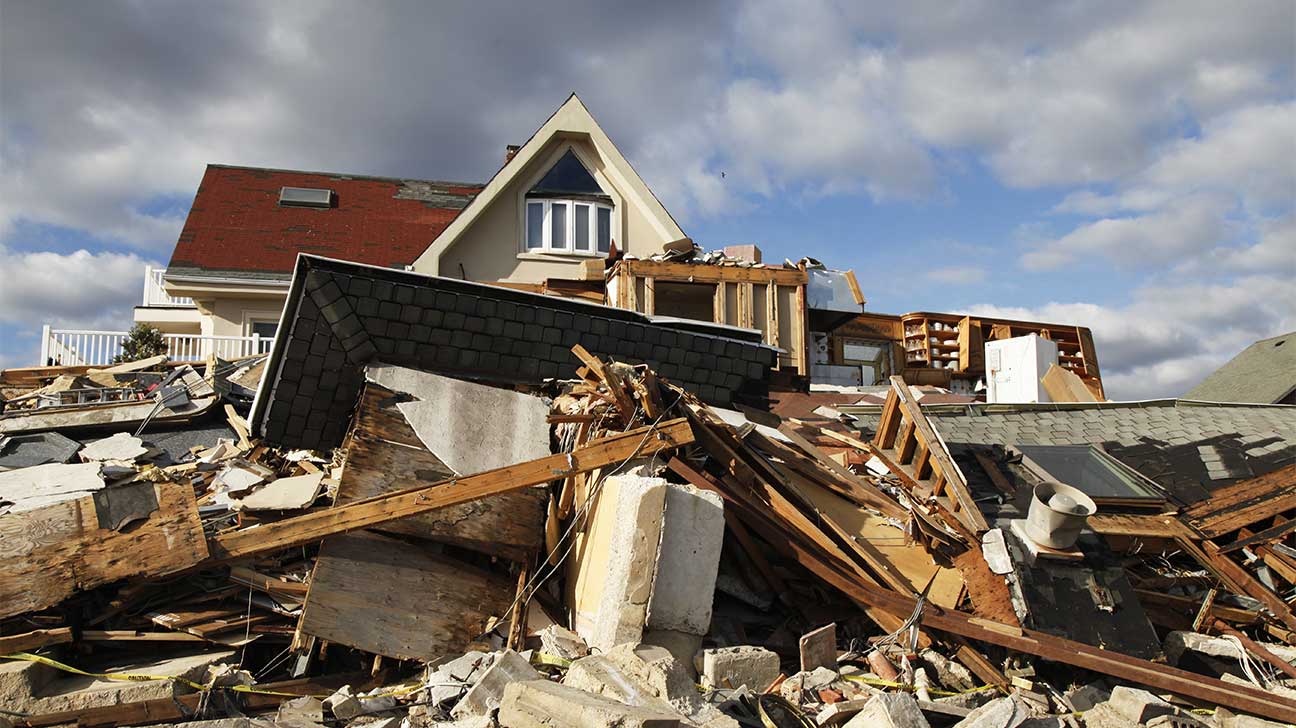
When hiring a demolition contractor, checking their insurance coverage is just as important as reviewing their experience and pricing. Proper insurance protects you from significant financial exposure if something unexpected happens during your project. Here's what coverage to look for before hiring a demolition contractor for your DFW property.
Why Contractor Insurance Matters to You as a Homeowner
Demolition involves heavy equipment, structural work, and inherent risks, even with the most experienced, careful crews. If an accident, injury, or property damage occurs during your project and your contractor lacks proper insurance, you as the property owner could potentially bear financial responsibility for resulting costs, a risk that proper contractor insurance is specifically designed to prevent.
General Liability Insurance
General liability insurance covers property damage and third-party injuries that might occur during a demolition project, protecting you if, for example, equipment accidentally damages a neighboring fence or a passerby is injured near the work site. This is one of the most fundamental types of coverage a demolition contractor should carry.
Workers' Compensation Insurance
Workers' compensation covers injuries to the contractor's own employees while working on your property. Without this coverage, an injured worker could potentially pursue a claim against you as the property owner, since the injury occurred on your property during work you contracted for. Confirming a contractor carries active workers' compensation protects you from this exposure.
Commercial Auto Insurance
Given that demolition projects involve significant equipment transport and hauling, contractors should carry commercial auto insurance covering their vehicles and any potential incidents that occur during transport to and from your property.
Equipment and Property Insurance
While this coverage primarily protects the contractor's own equipment, it's worth understanding whether a contractor has appropriate coverage for their machinery, since a contractor facing significant uninsured equipment losses could potentially affect their ability to complete your project as scheduled.
Umbrella or Excess Liability Coverage
For larger demolition projects, particularly those involving significant structures or complex sites, some contractors carry additional umbrella liability coverage beyond their standard general liability limits, providing an extra layer of protection for particularly significant incidents.
How to Verify Insurance Coverage
Before hiring a demolition contractor, ask for a certificate of insurance directly, a standard document that verifies active coverage, policy limits, and expiration dates. Reputable contractors readily provide this documentation, and you can often verify its authenticity directly with the listed insurance carrier if you have any concerns.
Why "We're Insured" Isn't Enough
A verbal assurance that a contractor is insured doesn't provide the same protection as an actual certificate of insurance you can verify. Insist on documentation rather than accepting a general claim of coverage, since this documentation is your actual protection if something goes wrong during the project.
What to Do if a Contractor Can't Provide Documentation
A contractor unable or unwilling to provide proof of insurance is a significant red flag, regardless of how competitive their pricing or how convincing their experience claims might be. This hesitation often indicates either a lack of actual coverage or coverage that wouldn't hold up to scrutiny, both scenarios that put you at real financial risk.
Insurance Considerations for Larger or More Complex Projects
For particularly significant projects, complete house demolition, extensive pool removal, or work near sensitive structures or utilities, it's worth having a more detailed conversation with your contractor about their specific coverage limits to ensure they're adequate for the potential scope of risk involved in your particular project.
How This Ties Into Your Own Homeowners Insurance
Beyond your contractor's coverage, it's worth understanding how your own homeowners insurance factors into a demolition project on your property, and whether your policy has any specific requirements or exclusions related to construction or demolition work being performed.
Tips for Verifying Contractor Insurance
- Ask for a certificate of insurance before signing any contract, not after work has already begun.
- Confirm coverage includes general liability and workers' compensation at minimum.
- Verify the certificate's authenticity directly with the insurance carrier if you have any doubts.
- Be wary of contractors who are vague, evasive, or unable to provide documentation when asked.

Verifying your demolition contractor's insurance coverage is a straightforward but essential step that protects you from significant financial exposure, giving you real peace of mind throughout your project.
Ready to work with a properly insured, experienced demolition team? Schedule your free estimate and ask us directly about our coverage.


