


What Happens to Utilities During House Demolition
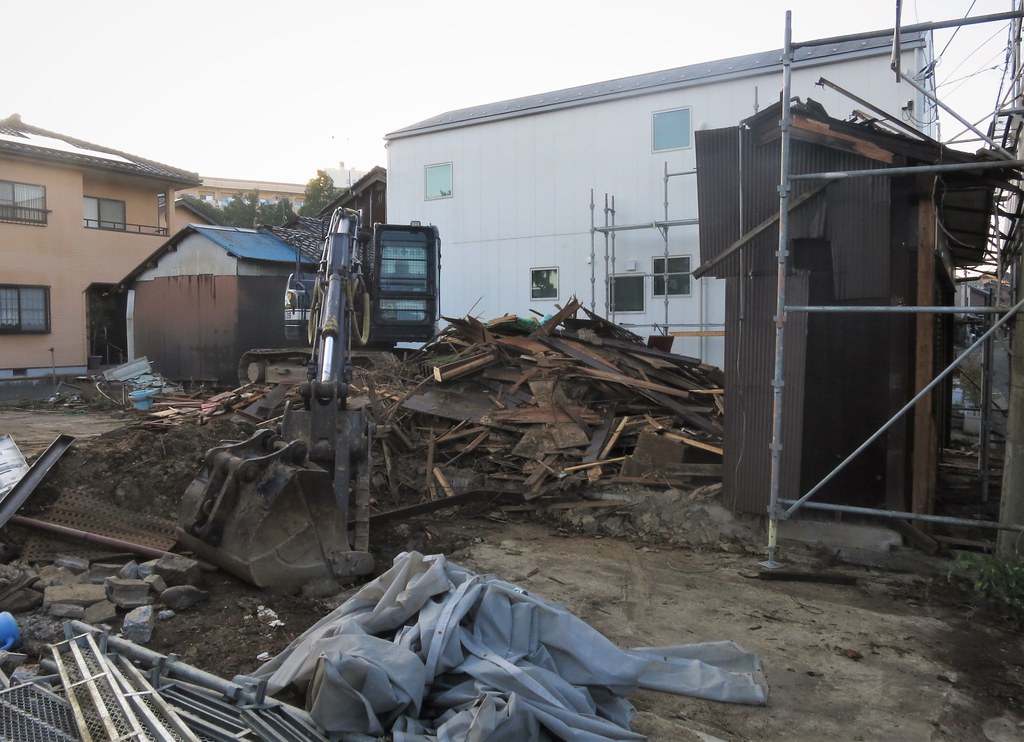
Before a single wall comes down, house demolition involves an important, often overlooked step: properly disconnecting the utilities connected to the home. Electrical, gas, water, and sewer systems all need to be addressed before demolition can safely begin. If you're planning to demolish a house in the DFW Metroplex, here's what to know about how utilities are typically handled throughout the process.
Why Utility Disconnection Matters
Demolishing a home with active utility connections is dangerous, both for the demolition crew and for the surrounding property. Live electrical wiring, active gas lines, and pressurized water or sewer connections all present serious hazards once heavy equipment and manual demolition work begin. Beyond safety, most cities also require documented utility disconnection as part of the permitting process before a demolition permit will be approved.
Electrical Disconnection
Before house demolition begins, the home's electrical service typically needs to be disconnected at the meter, often requiring coordination with the local utility provider. In some cases, this involves the utility company physically removing or capping the service connection to the property. This step needs to happen well before demolition day to avoid delays.
Gas Line Disconnection
If the home has natural gas service, the gas line needs to be shut off and properly capped by the utility provider or a licensed professional before demolition begins. This is one of the most safety-critical disconnections in the entire process, since damaged gas lines during demolition present a serious hazard.
Water Service Disconnection
Water service to the home typically needs to be shut off at the main or meter before demolition begins. Depending on your city, this may involve notifying the water utility and, in some cases, having the service line properly capped to prevent water from continuing to flow into the demolition area.
Sewer and Septic Considerations
For homes connected to municipal sewer systems, the sewer line typically needs to be capped as part of the demolition process. For properties with septic systems, additional steps may be required, including proper decommissioning of the septic tank itself, which can involve pumping and filling the tank according to local health department requirements.
Who Handles Utility Disconnection
Depending on the utility and your specific city's requirements, disconnection may be handled directly by the utility company, by a licensed professional such as an electrician or plumber, or coordinated by your demolition contractor as part of the overall project. An experienced demolition company will typically manage this coordination for you, scheduling disconnections at the right point in the process so they don't hold up your project timeline.
How This Affects Your Demolition Timeline
Utility disconnection often has its own timeline separate from the demolition itself, particularly when it requires scheduling with an outside utility company. This is one of the reasons it's important to begin the disconnection process as early as possible once you've decided to move forward with demolition, rather than waiting until the last minute and risking delays to your overall project.
Utility Considerations for Mobile Home Demolition
Mobile homes often have somewhat different utility setups than standard site-built homes, sometimes including septic systems, propane tanks, or different electrical configurations. These differences mean mobile home removal projects may require additional coordination around utility disconnection, which an experienced demolition team will already be familiar with.
What Happens After Demolition
Once the structure is removed, capped utility lines generally remain safely disconnected below grade unless you have plans to reconnect service for future construction on the property. If you're planning to rebuild, it's worth discussing your utility needs for the new structure with your contractor, since this can affect how the site is graded and prepared.
Common Utility-Related Delays and How to Avoid Them
- Waiting too long to schedule utility disconnection, which can push back your entire demolition timeline.
- Not confirming with your contractor whether they coordinate utility disconnection or if you need to arrange it separately.
- Overlooking septic system decommissioning requirements, which can be a more involved process than a standard sewer line cap.
- Failing to document utility disconnection properly, which can cause permitting or inspection delays.
Tips for Homeowners Planning House Demolition
- Start the utility disconnection process as soon as you've decided to move forward, rather than waiting until closer to your demolition date.
- Ask your contractor directly whether utility coordination is included in your project or something you need to manage separately.
- If your property has a septic system, ask specifically how decommissioning will be handled and documented.
- Keep records of all utility disconnection confirmations in case they're needed for permitting, inspections, or future property transactions.

Properly handling utility disconnection is a critical, often underestimated part of a safe and efficient house demolition project. Working with an experienced team that manages this coordination as part of your overall project helps keep your demolition on schedule from permit approval through final grading.
Ready to start planning your house demolition project? Schedule your free estimate and get a clear plan for handling every step, including utilities.


