


Vacant Property Demolition: Securing and Clearing an Empty House
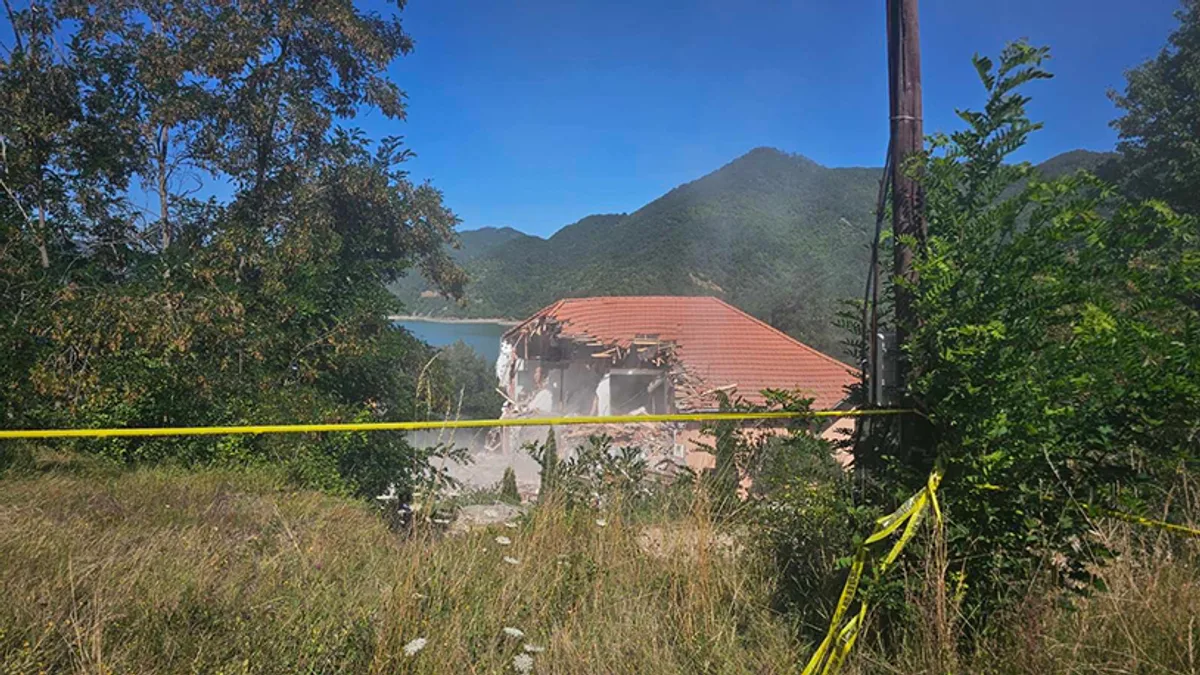
A vacant house left unattended for an extended period often becomes more than just an eyesore, it can pose safety hazards, attract unwanted activity, and continue deteriorating without anyone actively maintaining it. For property owners dealing with a long-vacant structure, demolition is often the most practical solution. Here's what to know about the process.
Why Vacant Properties Often End Up Needing Demolition
Houses left empty for months or years without maintenance frequently develop significant issues: water damage from unaddressed leaks, structural deterioration, pest infestations, and sometimes vandalism or unauthorized entry. By the time an owner is ready to address the property, renovation is often no longer a practical or cost-effective option.
Safety Concerns With Vacant Structures
Vacant homes can develop hazards that aren't always obvious from the outside, weakened flooring, compromised structural elements, or accumulated debris that creates fire or safety risks. Before any work begins, a thorough assessment helps identify these hazards so the demolition crew can approach the project safely.
Securing the Property Before Demolition
If a vacant property has been accessible to unauthorized entry, securing the site becomes an important first step, even before the actual demolition process begins. This might involve boarding up openings, adding temporary fencing, or other measures to prevent additional unauthorized access while the demolition project is being planned and scheduled.
Documentation and Ownership Considerations
For vacant properties, particularly those that have changed ownership through inheritance, foreclosure, or other circumstances, confirming clear legal authority over the property is an important step before scheduling demolition. This ensures the permitting process, which requires proof of ownership or authorization, proceeds without complications.
Dealing With Abandoned Belongings
Vacant properties sometimes still contain belongings left by previous occupants. Depending on the property's history and local regulations, there may be specific legal requirements around how abandoned property must be handled before demolition, which is worth confirming, particularly for properties involving foreclosure or eviction circumstances.
Permitting for Vacant Structures
Standard demolition permit requirements apply to vacant properties just as they do to occupied ones. Cities may have additional considerations for properties that have been flagged as unsafe or derelict, sometimes involving code enforcement departments in addition to standard building permits.
What the Demolition Process Involves
Once the property is secured and permits are obtained, the demolition process proceeds similarly to standard house demolition: utility disconnection, systematic structural removal, debris hauling, and site grading to leave the property level and stable for its next use.
What Comes After Demolition
Once a vacant structure is removed and the site properly graded, property owners typically move toward selling the cleared lot, building new construction, or maintaining the land while deciding on longer-term plans. A properly cleared and graded property is generally far more marketable than one with a deteriorating vacant structure still standing.
Tips for Property Owners Dealing With a Vacant Structure
- Confirm clear legal ownership and authority over the property before scheduling demolition.
- Address any security concerns, boarding up openings or adding temporary fencing, if the property has experienced unauthorized access.
- Get a professional assessment of any hazards present before demolition begins.
- Research any local requirements specific to derelict or code-flagged properties in your city.

A long-vacant property doesn't have to remain a persistent problem. Professional demolition, paired with proper documentation and permitting, transforms a liability into a clean, marketable piece of property.
Dealing with a vacant property that needs demolition? Schedule your free estimate and get straightforward guidance for your situation.


