


Spa and Hot Tub Removal: What's Involved
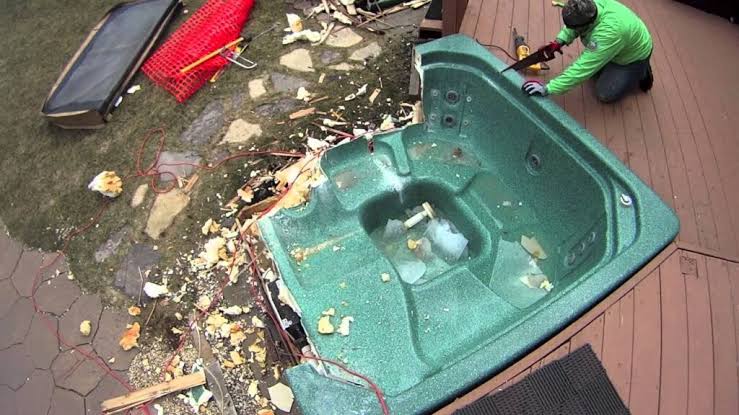
Spas and hot tubs come in a range of installation types, from simple portable units to elaborate built-in features integrated with a pool. When it's time to remove one, understanding what type you have and what removal involves helps set the right expectations for your project.
Portable and Freestanding Hot Tubs
Freestanding hot tubs, the kind that sit on a deck or patio without being built into the ground, are generally the most straightforward to remove. This typically involves disconnecting electrical connections, draining the unit, and hauling away the tub itself along with any surrounding skirting or structure.
Built-In or In-Ground Spas
Built-in spas, often constructed similarly to a small pool with gunite, concrete, or fiberglass construction, require a more involved removal process. This includes draining, breaking up the structural shell, removing any reinforcement, and properly filling and compacting the resulting excavation, much like standard pool demolition, just on a smaller scale.
Spas Attached to Pools
Many spas are built directly adjacent to or connected with a pool, sharing plumbing, filtration, and sometimes a common wall or edge. If you're removing both the pool and an attached spa, this is typically handled as one coordinated project rather than two separate removals, since the structures and their systems are often interconnected.
Equipment and Utility Disconnection
Whether portable or built-in, spas and hot tubs typically have electrical connections for heating and jet systems that need to be properly disconnected before removal. Built-in spas may also share filtration and plumbing systems with an adjacent pool, requiring careful coordination during disconnection.
What Happens to the Spa Structure Itself
For built-in spas, the shell and any surrounding decking are broken up and hauled away similarly to pool demolition debris. Portable hot tubs are typically removed largely intact or in manageable sections, depending on size and how the unit was originally installed.
Site Preparation After Removal
Once a built-in spa is removed, the resulting excavation needs to be filled and properly compacted, just as with pool demolition, to prevent future settling. Removing a portable hot tub typically requires less extensive site preparation, since there's no significant excavation involved.
Combining Spa Removal With Pool Demolition
If you're removing both a pool and an attached or nearby spa, working with a team that handles both as one coordinated project streamlines the timeline and ensures proper attention to shared systems, plumbing, electrical, and decking, that connect the two features.
What Comes After Removal
Once your spa or hot tub is removed and the site properly prepared, the reclaimed space can be used for expanded patio area, additional landscaping, or simply more open outdoor living space, depending on your plans.
Tips for Homeowners Removing a Spa or Hot Tub
- Let your contractor know whether your spa is portable or built-in during your initial evaluation.
- If your spa is connected to a pool being removed, confirm both are addressed as one coordinated project.
- Ask how electrical and plumbing connections will be handled before removal begins.
- Discuss your plans for the reclaimed space so the site can be properly prepared for what comes next.

Whether you're dealing with a simple portable hot tub or a built-in spa connected to your pool, professional removal addresses the specific structure appropriately, leaving your property properly prepared for its next use.
Ready to remove a spa or hot tub from your property? Schedule your free estimate and get a clear plan for your project.


