


Site Access Challenges: Demolition on Narrow Lots, Alleys, and Shared Driveways
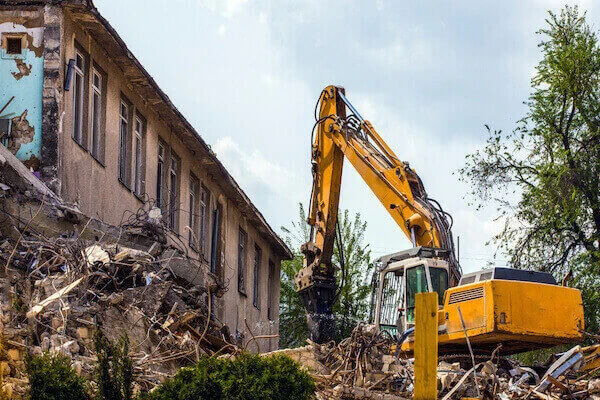
Not every DFW property offers wide-open access for demolition equipment. Narrow lots, alley-accessed backyards, shared driveways, and tightly spaced urban infill properties all present real access challenges that can affect how a demolition project is planned and executed. Here's how experienced contractors approach these situations and what homeowners with challenging access should know.
Why Site Access Matters So Much
Demolition equipment, excavators, skid steers, and hauling trucks, needs adequate space to maneuver safely and efficiently. When access is limited, contractors need to adjust their approach, sometimes using smaller equipment, different sequencing, or additional manual labor to compensate for what standard-sized equipment can't accommodate.
Narrow Lots and Tight Side Yards
Properties with narrow side yards, common in many established DFW neighborhoods with older, closer-together housing, can make it difficult for standard-sized equipment to reach a backyard pool or structure. In these situations, contractors sometimes use smaller, more maneuverable equipment specifically suited to tight spaces, though this can affect project timeline given the reduced efficiency compared to full-sized machinery.
Alley Access Situations
Some DFW properties, particularly in certain established urban neighborhoods, are designed with alley access to the rear of the lot rather than relying solely on street-facing driveways. While this can actually provide a useful alternative access point for demolition equipment, alleys sometimes have their own width limitations, shared usage considerations with neighboring properties, and occasionally specific city regulations about equipment or vehicle use in these spaces.
Shared Driveways
Properties with a shared driveway, sometimes used by two adjoining homes, require additional coordination during demolition projects. This might mean scheduling equipment access at specific times to minimize disruption to a neighbor's own driveway use, or clearly communicating the project timeline so both households understand what to expect during the shared access period.
Urban Infill and Closely Spaced Properties
Newer urban infill developments, where homes are built closely together on smaller lots to maximize density, can present some of the most significant access challenges for demolition. Limited space between structures means contractors need to plan carefully to avoid any damage to neighboring properties while still completing the necessary work.
How Experienced Contractors Adapt to Access Challenges
A contractor experienced with challenging access situations typically addresses this during the initial property evaluation, assessing exactly what equipment can realistically reach the work area and adjusting their approach accordingly. This might mean using compact equipment, breaking material down into smaller, more manageable pieces for manual removal through tight spaces, or adjusting the sequence of work to accommodate limited maneuvering room.
How Access Challenges Affect Cost and Timeline
Properties with significant access limitations often see somewhat higher costs and longer timelines compared to properties with straightforward equipment access, simply because more time, more specialized equipment, or more manual labor is required to complete the same scope of work. This is an important factor to discuss upfront during your property evaluation, so your estimate accurately reflects your specific site conditions.
Protecting Neighboring Properties During Tight-Access Projects
When working in close proximity to neighboring structures, fences, or landscaping, experienced contractors take specific precautions to avoid unintended damage, careful equipment operation, protective barriers where appropriate, and clear communication with neighbors about the project's scope and timeline.
Questions to Ask if Your Property Has Access Challenges
- Have you worked on properties with similar access limitations before?
- What equipment adjustments would you make for my specific site conditions?
- How does limited access affect the estimated cost and timeline for my project?
- What precautions will you take to protect neighboring properties or shared access areas?
Why Property Evaluation Matters Even More for Challenging Sites
For properties with narrow lots, alley access, or shared driveways, an in-person property evaluation becomes even more critical than usual, since generic estimates simply can't account for the specific access realities of your property. A thorough evaluation allows your contractor to plan the right equipment and approach from the start, rather than discovering access limitations once work is already underway.
Tips for Homeowners With Challenging Site Access
- Be upfront about your property's access limitations when scheduling your initial evaluation, so your contractor can plan accordingly.
- Ask specifically how your contractor's approach and equipment will differ given your site conditions.
- If you share a driveway or alley access with a neighbor, communicate with them ahead of time about your project timeline.
- Understand that challenging access may affect both cost and timeline, and build this into your project expectations from the start.

Whether you're dealing with a narrow side yard, alley access, or a shared driveway, an experienced demolition contractor can adapt their equipment and approach to complete your project safely and effectively, even when your property doesn't offer the most straightforward access.
Worried about tight access for your demolition project? Schedule your free estimate and get an honest assessment of what your property requires.


