


Signs Your Concrete Driveway Needs Full Replacement vs. Resurfacing
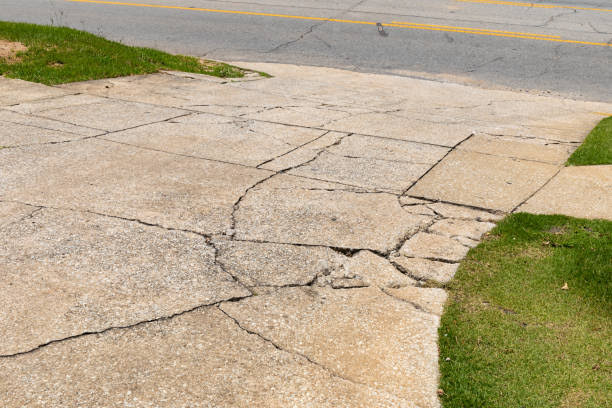
A cracked or worn driveway presents homeowners with a choice: resurface the existing concrete or remove it entirely and start fresh. Making the right call depends on understanding what's actually happening beneath the surface, not just how the driveway looks. Here's how to tell which option fits your specific situation.
What Resurfacing Actually Addresses
Resurfacing applies a new layer or coating over existing concrete, addressing surface-level issues like fading, minor surface cracking, or general wear. This option works when the underlying slab remains structurally sound, essentially giving an aging but stable driveway a refreshed appearance without addressing anything beneath the surface.
What Full Replacement Addresses
Full replacement, removing the old concrete entirely and pouring or installing new material, addresses problems that resurfacing simply can't fix: structural cracking, uneven settling, or a base that's no longer capable of properly supporting the surface. When the underlying slab or base material has failed, no amount of surface treatment provides a lasting solution.
Signs Pointing Toward Resurfacing
If your driveway has surface-level fading or discoloration, minor hairline cracks that haven't widened or spread significantly, and no visible unevenness or sections that have shifted relative to each other, resurfacing may be a viable, more budget-friendly option to refresh your driveway's appearance and surface condition.
Signs Pointing Toward Full Replacement
Cracks that continue to widen, multiply, or run through the full depth of the slab, sections of the driveway that have visibly sunk or shifted compared to neighboring sections, water pooling on or draining incorrectly across the surface, and any sign that the underlying base material has failed all point toward full removal and replacement rather than surface repair.
Why North Texas Soil Makes This Distinction Important
The clay-heavy soil common throughout the DFW Metroplex expands and contracts significantly with moisture changes, which is a major contributor to structural cracking and uneven settling in driveways over time. If this soil movement has already compromised your driveway's structural integrity, resurfacing only masks the problem temporarily, since the underlying soil movement will likely continue to affect the surface regardless of what's applied on top.
The Cost Difference Between the Two Approaches
Resurfacing is generally less expensive than full replacement, since it doesn't involve breaking up, hauling away, and replacing the underlying material. However, choosing resurfacing over structural problems that actually require replacement often means paying for a solution that doesn't last, potentially leading to the same replacement decision down the road anyway, after spending money on resurfacing that didn't address the real issue.
Getting a Professional Assessment
Because surface appearance doesn't always reflect what's happening structurally beneath a driveway, a professional assessment is the most reliable way to determine whether your specific situation calls for resurfacing or replacement. An experienced contractor can identify whether cracking and wear are purely cosmetic or indicate a deeper problem that resurfacing wouldn't resolve.
What Full Replacement Involves
If replacement is the right call, the process involves breaking up the existing concrete, removing embedded reinforcement, hauling away debris, and properly preparing and compacting the base material before new concrete or another surface is installed. Proper base preparation during this process is critical to preventing the same problems from recurring.
Planning for New Installation After Replacement
If you're replacing your driveway, sharing your plans for the new surface, whether that's standard concrete, decorative or stamped concrete, or another material entirely, with your removal team helps ensure the base is properly prepared to support your specific new installation.
Tips for Deciding Between Resurfacing and Replacement
- Get a professional assessment before assuming resurfacing will solve a structural problem.
- Pay attention to whether cracks are widening or new sections are appearing over time, a sign resurfacing likely won't hold.
- Consider the long-term cost implications, resurfacing over structural issues can sometimes mean paying twice.
- If you're planning a new driveway material or design, discuss this with your removal team to ensure proper base preparation.

Whether your driveway needs a simple refresh or a complete removal and replacement, understanding the actual condition beneath the surface is the key to choosing the option that genuinely solves your problem rather than delaying it.
Not sure if your driveway needs resurfacing or full replacement? Schedule your free estimate and get an expert assessment for your property.


