


Septic Tank Decommissioning During Demolition: What Property Owners Should Know
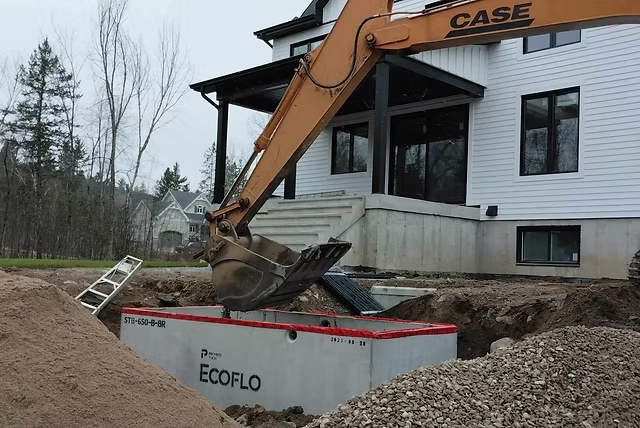
Many properties throughout the outskirts of the DFW Metroplex, particularly rural and semi-rural areas, rely on septic systems rather than municipal sewer connections. When it's time to demolish a home or mobile home on one of these properties, the septic system requires specific attention that goes beyond standard utility disconnection. Here's what property owners should know about septic tank decommissioning.
Why Septic Systems Require Special Handling
Unlike a municipal sewer connection that can simply be capped, a septic tank is a substantial underground structure that continues to hold waste material even after a home is no longer using it. Properly decommissioning a septic tank involves specific steps to ensure it's emptied, cleaned, and either removed or safely filled, rather than left as a buried hazard.
Why Improper Decommissioning Is a Problem
A septic tank that's simply abandoned without proper decommissioning can pose serious risks: structural collapse if something is later built or driven over it, groundwater contamination if the tank isn't properly emptied and cleaned, and complications for future property owners who may not know an unaddressed tank exists on the property.
The Typical Decommissioning Process
Proper septic tank decommissioning generally involves having the tank professionally pumped to remove all remaining waste material, followed by either removing the tank entirely or having it properly cleaned, collapsed, and filled with appropriate material like sand or gravel. Local health departments often have specific requirements dictating which approach is acceptable and how the process must be documented.
Coordinating With Licensed Septic Professionals
Septic tank pumping and decommissioning is typically handled by a licensed septic service, separate from your demolition contractor, though an experienced demolition team will know how to coordinate this step as part of your overall project timeline. This coordination ensures the septic work happens at the right point in your project before demolition and site grading proceed.
Permit and Documentation Requirements
Many local health departments require permits or documentation specifically for septic system decommissioning, separate from your standard demolition permit. This documentation protects both you and future property owners by creating an official record that the system was properly addressed rather than simply abandoned.
What Happens to the Drain Field
Beyond the tank itself, septic systems include a drain field, an area where treated wastewater disperses into the soil. Depending on your future plans for the property, this area may also need specific consideration, since building directly over a former drain field without proper preparation can present its own complications.
Timing Considerations for Your Demolition Project
Septic tank decommissioning generally needs to happen before general site grading and land preparation proceed, since the process involves excavation and access to the tank itself. Building this step into your overall project timeline from the start helps avoid delays once demolition is otherwise ready to proceed.
What This Means for Site Preparation Afterward
Once a septic tank is properly decommissioned, the resulting excavated area, similar to other demolition-related excavations, needs to be properly filled and compacted to prevent future settling. This is an important detail to confirm with your demolition contractor as part of the overall site grading plan.
Considerations for Properties Transitioning to Municipal Sewer
Some property owners are demolishing a septic-system home specifically because they're connecting to newly available municipal sewer service. In these cases, septic decommissioning becomes a necessary step in transitioning the property to its new utility infrastructure, worth coordinating carefully with your overall utility connection plans.
Tips for Property Owners With a Septic System
- Confirm whether your property has a septic system during your initial demolition evaluation, if you're not entirely sure.
- Work with a licensed septic professional for proper tank pumping and decommissioning.
- Ask about local health department documentation requirements specific to septic decommissioning.
- Coordinate the timing of septic work with your broader demolition and site grading schedule.
- If you know the location of your drain field, share this with your contractor for proper site preparation planning.

Properly decommissioning a septic system is an important, sometimes overlooked step in demolishing a property that relies on one. Addressing it correctly protects your property, future owners, and the surrounding environment from the complications an improperly abandoned tank can create.
Demolishing a property with a septic system? Schedule your free estimate and get a clear plan for coordinating every step of your project.


