


Removing an Old Fence and Footings: What to Expect
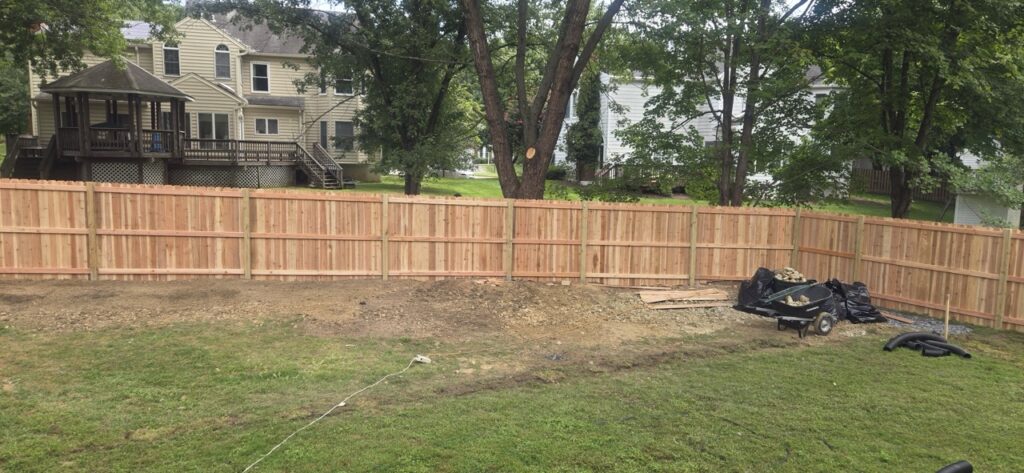
An old, damaged, or unwanted fence is one of the more common removal projects DFW homeowners tackle, whether it's making way for a new fence, a landscaping redesign, or simply clearing a property line that no longer needs a barrier. Here's what to know about fence and footing removal and how the process typically works.
Common Reasons for Fence Removal
Fences reach the end of their usable life for a variety of reasons: wood fencing that's rotted, warped, or storm-damaged, metal fencing that's rusted or bent beyond repair, or simply a fence style that no longer fits your property's updated landscaping or design plans. Some homeowners are also removing a fence entirely, without plans for a replacement, to open up sightlines or combine yard spaces.
What Fence Removal Typically Involves
Removing a fence involves more than just taking down the visible panels or pickets. The posts themselves, often set in concrete footings below ground, need to be addressed as well. Simply removing the above-ground portion of a fence while leaving footings buried can create problems for future landscaping, construction, or new fence installation in the same area.
Why Footing Removal Matters
Concrete footings left in the ground after a fence is removed can interfere with future digging, whether for a new fence, landscaping, irrigation lines, or other yard projects. Removing these footings fully, rather than just cutting posts at ground level, ensures the area is genuinely clear for whatever comes next.
Wood Fence Removal
Wood fencing is generally straightforward to remove, panels and pickets typically come apart with basic disassembly, while posts set in concrete require breaking up the footing to fully extract them. Depending on the fence's condition, some materials may be salvageable for reuse or recycling, while deteriorated wood typically goes through standard debris disposal.
Metal Fence Removal
Metal fencing, whether chain-link, wrought iron, or aluminum, similarly requires attention to both the visible fencing material and the underground footings supporting the posts. Metal materials are often recyclable, which is worth confirming with your contractor if that's a consideration for your project.
Masonry or Block Fence Removal
Brick, stone, or block fence walls present a different removal challenge entirely, closer to concrete demolition than typical fence removal. These structures require breaking up masonry material and any reinforcement, along with their footings, similar to other concrete demolition projects.
Preparing for a New Fence Installation
If you're planning to install a new fence in the same general location, complete removal of old posts and footings is typically necessary, since new post holes generally can't simply reuse old footing locations without proper excavation and preparation first. Sharing your new fence installation plans with your removal contractor helps ensure the site is properly prepared.
Preparing the Area for Other Uses
If you're not installing a new fence but instead reclaiming the space for landscaping, an expanded yard area, or another feature, complete footing removal still matters to ensure the ground is genuinely clear and usable for whatever comes next.
What Affects Fence Removal Cost
The length of fencing being removed, the material type, how many posts and footings need extraction, and site accessibility all factor into the overall cost of a fence removal project. Longer fence lines with more posts naturally require more time and labor than a short section removal.
Tips for Homeowners Planning Fence Removal
- Confirm that your estimate includes full footing removal, not just above-ground fence material.
- If you're installing a new fence, share your plans so the site is properly prepared for new post placement.
- Ask whether removed materials, wood, metal, or masonry, can be recycled or need standard disposal.
- Confirm property lines before removal begins, particularly for fences that may be shared with a neighboring property.

Whether you're clearing the way for a new fence or simply opening up your yard, proper removal, footings included, ensures the area is genuinely ready for whatever you decide to do next.
Ready to remove an old fence from your property? Schedule your free estimate and get a clear plan for your project.


