


Preparing a Property for a Manufactured Home Placement: Land Prep Basics
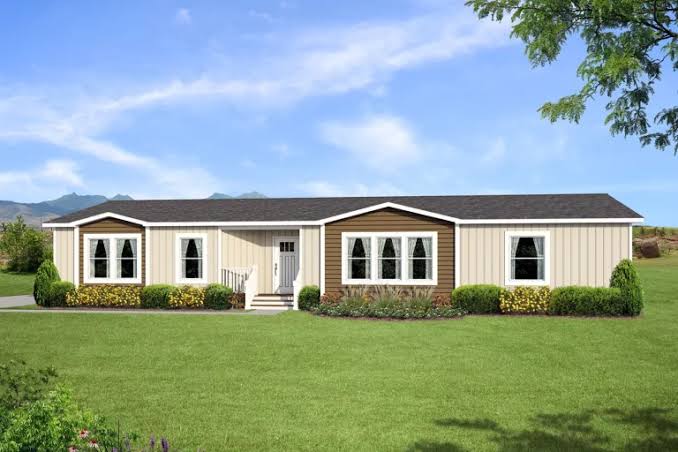
Placing a new manufactured or mobile home on a property requires more site preparation than many owners initially expect. Whether you're clearing space after removing an old structure or preparing a previously vacant lot, proper land preparation plays a critical role in a successful, code-compliant installation. Here's what property owners should know.
Why Site Preparation Matters for Manufactured Homes
Manufactured homes are typically installed on piers, blocks, or a specific foundation system designed for this type of structure, and that foundation depends entirely on properly prepared ground beneath it. Poor site preparation can lead to uneven settling, structural issues, and code compliance problems that affect the home's stability and safety for years to come.
Clearing the Placement Site
If your property has an old structure, existing concrete, overgrown vegetation, or other obstacles where the new manufactured home will sit, these need to be cleared first. This might involve demolishing a previous mobile home, removing old foundation slabs, or clearing brush and trees from an undeveloped portion of the property.
Grading for Proper Drainage
Manufactured homes need a properly graded site that directs water away from the structure rather than allowing it to pool underneath or around the foundation. This grading needs to be addressed before the home's foundation system is installed, since correcting drainage problems after placement is far more difficult.
Soil Compaction Requirements
Manufactured home foundations, whether piers, blocks, or another system, require properly compacted soil to prevent uneven settling over time. North Texas's clay-heavy soil makes this step especially important, since improperly compacted ground can shift significantly with seasonal moisture changes, potentially causing the home to settle unevenly.
Understanding Manufacturer and Installer Requirements
Manufactured home manufacturers and installers typically have specific site preparation requirements, particular grading tolerances, compaction standards, or foundation specifications that must be met before installation. Sharing these requirements with your land preparation contractor ensures the site is prepared to the exact standards your specific home requires.
Utility Considerations
Before installation, utility connections, electrical, water, sewer or septic, need to be identified, planned, or installed as part of the site preparation process. Coordinating this alongside grading and clearing work helps ensure utilities are properly positioned before the home arrives for placement.
Access for Delivery and Installation
Beyond the placement site itself, it's worth considering how the manufactured home will actually be delivered and positioned, since these structures often require significant clearance for transport and placement equipment. Confirming adequate access during your land preparation planning helps avoid complications on delivery day.
Permits for Manufactured Home Placement
Most cities and counties require permits for manufactured home placement, separate from any land clearing or demolition permits that might apply if you're removing an existing structure first. Confirming these requirements early in your planning process helps keep your overall project on schedule.
Combining Demolition and Land Preparation
If your property currently has an old mobile home, structure, or other obstacle that needs to come down before your new manufactured home can be placed, working with a team that handles both the demolition and subsequent land preparation keeps your project streamlined, rather than coordinating separate contractors for each phase.
Tips for Preparing Your Property for a Manufactured Home
- Share your manufacturer's or installer's specific site requirements with your land preparation contractor.
- Confirm grading addresses proper drainage away from the planned foundation location.
- Don't skip proper soil compaction, even though it happens beneath the surface and isn't visible once installation is complete.
- If your site currently has an old structure, plan for demolition and land preparation as one coordinated project.
- Confirm adequate access for delivery and installation equipment during your planning process.

Properly preparing your property before a manufactured home arrives sets the foundation, quite literally, for a stable, code-compliant installation that holds up well for years to come.
Ready to prepare your property for a manufactured home? Schedule your free estimate and get your site properly cleared and graded.


