


Preparing a Distressed or Investment Property for Sale Through Demolition
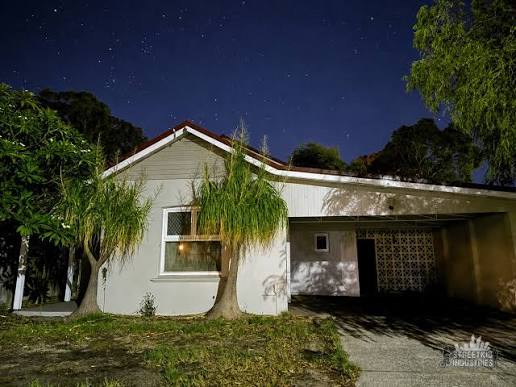
For real estate investors and homeowners dealing with a distressed property, demolition is sometimes the most direct path to a marketable asset. Whether you're flipping a property, clearing land for a fresh build, or simply trying to move a difficult property off your hands, understanding how demolition fits into this process can help you plan more effectively.
Why Investors Choose Demolition Over Renovation
For many distressed properties, extensive damage, outdated systems, or structural issues make renovation costs approach or exceed what a fresh start through demolition and new construction would cost. For investors working within a specific budget and timeline, demolition followed by new construction can sometimes offer more predictable costs and a clearer path to a marketable finished product than an extensive, unpredictable renovation.
Demolition as Part of a Flip Strategy
Some investors purchase distressed properties specifically planning to demolish the existing structure and build new, rather than renovating what's there. This approach works particularly well when a property's location or lot size holds strong value, but the existing structure itself is beyond reasonable repair or doesn't match current market expectations for the area.
Preparing a Vacant Lot for Sale
Other investors choose to demolish a distressed structure and sell the resulting vacant lot, rather than building on it themselves. A cleared, properly graded lot often appeals to a different type of buyer than a distressed property with a deteriorating structure, particularly builders and developers looking for a construction-ready site.
How Demolition Affects Marketability
Removing a severely distressed structure eliminates a significant red flag for potential buyers, financing challenges, inspection issues, and the general perception of risk that comes with a visibly damaged property. A cleared, properly graded lot presents a cleaner, more straightforward opportunity for buyers, which can broaden your pool of interested parties and potentially streamline negotiations.
Documentation for Investment Properties
Just as with any demolition project, proper permitting and documentation matter significantly for investment properties, both for your own records and for any future buyer's due diligence process. Complete, well-documented demolition with proper permits creates a clear paper trail that supports a smoother transaction down the line.
Timeline Considerations for Investors
Because timeline often directly affects profitability for investment properties, working with an experienced, in-house demolition team that can move efficiently from evaluation through permitting, demolition, and grading helps keep your overall project on schedule. Delays in any one phase can have a compounding effect on your overall investment timeline.
Coordinating Demolition With Your Broader Project Plan
If demolition is one step in a larger renovation or new construction plan, coordinating your demolition timeline with your builder's schedule helps avoid unnecessary gaps between phases. Sharing your overall project plan with your demolition contractor helps ensure the site is prepared appropriately for whatever comes next in your specific timeline.
Working With Multiple Properties
Investors managing multiple distressed properties simultaneously often benefit from working with a single demolition contractor who can handle several projects, providing consistency in quality, communication, and scheduling across an entire portfolio rather than coordinating separate contractors for each individual property.
Balancing Speed and Quality
Investment timelines can create pressure to move quickly, but cutting corners on demolition, particularly around backfill and compaction, can create problems that surface after a sale and potentially expose you to liability with a future buyer. Working with an experienced contractor who moves efficiently without sacrificing proper site preparation protects both your timeline and your long-term reputation as a seller.
Tips for Investors and Property Sellers
- Get a clear, itemized estimate for each property to accurately factor demolition costs into your overall project budget.
- Ensure permits and documentation are properly handled to support a smooth future transaction.
- Coordinate demolition timing closely with your broader renovation, construction, or sale timeline.
- If managing multiple properties, consider working with one contractor who can provide consistency across your portfolio.

Whether you're flipping a single distressed property or managing a broader investment portfolio, demolition often plays a key role in transforming a challenging asset into a marketable one, efficiently and with proper documentation to support the transaction ahead.
Working on a distressed or investment property? Schedule your free estimate and get an efficient plan for your project timeline.


