


Pool Coping and Tile Removal: What's Involved
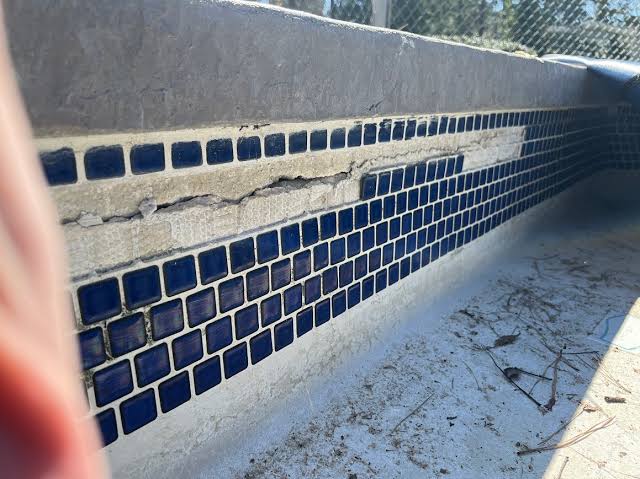
Pool coping and waterline tile are often overlooked details until they start to crack, loosen, or deteriorate. These features play both a functional and aesthetic role around a pool, and when they're damaged, removal is often the first step toward addressing the problem, whether that's as part of a full pool demolition or an isolated repair project. Here's what DFW homeowners should know about pool coping and tile removal.
What Pool Coping Is and Why It Matters
Coping refers to the material that caps the edge of a pool, providing a finished edge between the pool shell and the surrounding deck. It also serves a practical purpose, protecting the pool's structural edge and providing a slip-resistant surface for swimmers entering and exiting the water. Over time, coping can crack, shift, or become loose due to ground movement, water exposure, and general wear.
What Waterline Tile Is and Why It's Used
Waterline tile is installed along the top edge of a pool's interior, at the waterline, both for aesthetic appeal and to protect the pool surface from staining and buildup that tends to accumulate at that specific water level. Like coping, tile can crack, become loose, or fall away over time, particularly in older pools or those that haven't received regular maintenance.
Signs Coping or Tile Needs to Be Removed
Cracked, chipped, or missing coping sections, tile that's visibly loose or has already fallen away in places, and consistent shifting or movement along the coping's edge are all signs that removal and replacement may be necessary rather than simple patching. In some cases, damaged coping or tile is also a sign of underlying structural movement in the pool itself, which is worth having assessed.
Coping and Tile Removal as Part of Full Pool Demolition
If you're removing your pool entirely, coping and tile removal happens as a standard part of that broader demolition project. Since these features are directly attached to the pool structure, they come out along with the shell and surrounding deck during a complete pool demolition project.
Coping and Tile Removal for Renovation Purposes
Some homeowners aren't removing their pool entirely but instead want to address damaged coping or tile as part of a renovation or refresh project. In these cases, coping and tile removal is a more isolated project, carefully removing the damaged material without disturbing the rest of the pool structure, typically in preparation for new coping or tile installation.
What the Removal Process Involves
Removing coping and tile requires careful work to avoid damaging the underlying pool shell or structure, particularly if the pool itself is being kept and renovated rather than demolished. This typically involves breaking away the damaged material in sections, removing adhesive or mortar residue, and preparing the surface for new material if replacement is part of the plan.
When to Choose Removal vs. Repair
Minor, isolated cracks in coping or a few loose tiles can sometimes be addressed with targeted repairs rather than full removal. However, when damage is widespread, when underlying structural movement is suspected, or when a homeowner wants a completely updated look, full removal and replacement is often the more effective long-term solution.
Coordinating This Work With the Right Professional
Depending on whether you're demolishing your pool entirely or simply updating coping and tile as part of a renovation, the right contractor for the job may differ. Full pool demolition, including coping and tile removal, falls under standard demolition services, while isolated coping and tile replacement without full pool removal is sometimes handled by pool renovation specialists.
Tips for Homeowners Dealing With Coping or Tile Issues
- If you're removing your pool entirely, confirm that coping and tile removal is included in your demolition estimate.
- If you're only addressing coping or tile without full pool removal, clarify whether that falls under demolition or pool renovation services.
- Ask what caused the damage, since recurring issues may point to underlying structural movement worth investigating further.
- If you're planning new coping or tile installation, discuss your vision with whichever contractor will handle that portion of the project.

Whether you're removing your entire pool or addressing damaged coping and tile as part of a smaller renovation, understanding what this process involves helps you plan the right approach for your specific situation.Dealing with damaged pool coping, tile, or considering full pool removal? Schedule your free estimate and get a clear plan for your project.


