


Land Preparation for HOA and Community Common Areas
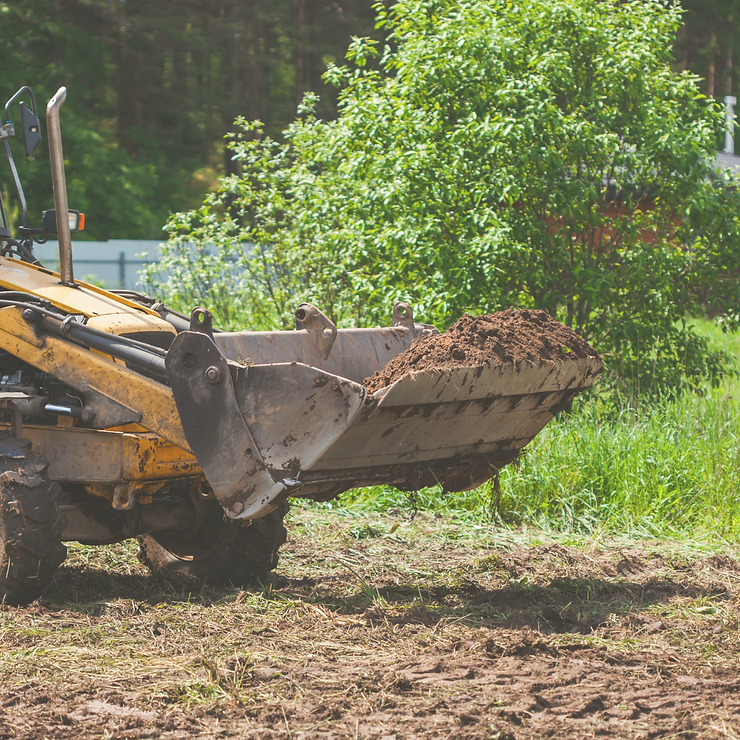
Homeowners associations and community management groups across the DFW Metroplex are often responsible for maintaining shared spaces, from entryway landscaping to common recreational areas. When these spaces need land clearing, grading, or preparation for new features, the process involves some considerations beyond a typical single-family property project. Here's what HOA boards and community managers should know.
Common Land Preparation Needs for HOAs
HOAs frequently need land preparation services for a range of projects: clearing and grading entryway or common area landscaping, preparing sites for new community amenities like playgrounds or gathering spaces, addressing drainage issues affecting multiple properties or shared infrastructure, and clearing land in preparation for community pool areas, walking trails, or other shared features.
Why Shared Space Projects Require Extra Coordination
Unlike a single homeowner's backyard project, HOA and community land preparation affects multiple residents simultaneously. This means communication, scheduling, and access planning need to account for a broader range of stakeholders, from board members making decisions to residents who use the affected common area regularly.
Getting Board and Resident Buy-In
Before land preparation work begins on a shared community space, most HOAs go through some form of board approval and, depending on the project's scope and cost, resident notification or input. Having a clear, professional estimate and project scope from your contractor supports this internal decision-making process.
Budgeting Through HOA Reserves or Special Assessments
Larger land preparation projects for community spaces are often funded through HOA reserve funds or, for more significant projects, special assessments collected from residents. Getting an accurate, detailed estimate early in the planning process helps HOA boards budget appropriately and communicate costs clearly to residents if needed.
Access Considerations for Shared Spaces
Common areas sometimes present unique access challenges compared to individual residential lots, shared roadways used by many residents, proximity to multiple properties requiring careful equipment operation, and coordination needed to minimize disruption to community members using nearby amenities during the project.
Timing Projects Around Community Use
If the common area being prepared is regularly used by residents, walking trails, gathering spaces, or recreational areas, timing the project to minimize disruption, perhaps during lower-usage seasons or with clear community notification, helps maintain positive relationships between the HOA and residents throughout the project.
Coordinating With Multiple Vendors
Larger HOA projects sometimes involve coordination between your land preparation contractor and other vendors, landscaping companies, general contractors for new amenities, or utility companies for shared infrastructure. Clear communication about scope and timeline helps these different vendors work together smoothly rather than creating scheduling conflicts.
Documentation for HOA Records
Proper documentation of completed land preparation work matters for HOA governance and financial records, both for transparency with residents and for maintaining accurate records of capital improvements made to shared community spaces over time.
Drainage Considerations for Community-Wide Impact
Land preparation and grading decisions affecting shared spaces sometimes have implications for drainage across multiple properties, not just the immediate project area. An experienced contractor can help HOA boards understand how proposed grading might affect broader community drainage patterns, not just the specific area being addressed.
Working With a Contractor Experienced in Community Projects
HOA and community land preparation projects benefit from working with a contractor who understands the additional coordination, communication, and documentation considerations involved compared to a standard residential project. This experience helps ensure the project proceeds smoothly given the broader stakeholder group involved.
Tips for HOA Boards and Community Managers
- Get a detailed, professional estimate to support board decision-making and resident communication.
- Consider timing projects to minimize disruption to regular community use of the affected space.
- Communicate project scope and timeline clearly to residents, particularly for projects that will be visible or noisy.
- Keep thorough documentation of completed work for HOA financial and governance records.
- Discuss drainage implications with your contractor if the project might affect broader community water flow patterns.

Whether you're preparing land for a new community amenity or addressing drainage and landscaping in a shared common area, proper planning and communication help HOA-managed land preparation projects proceed smoothly for the entire community.
Managing land preparation for an HOA or community common area? Schedule your free estimate and get a clear plan for your shared space project.


