


Land Preparation for a Home Addition: Getting the Site Ready
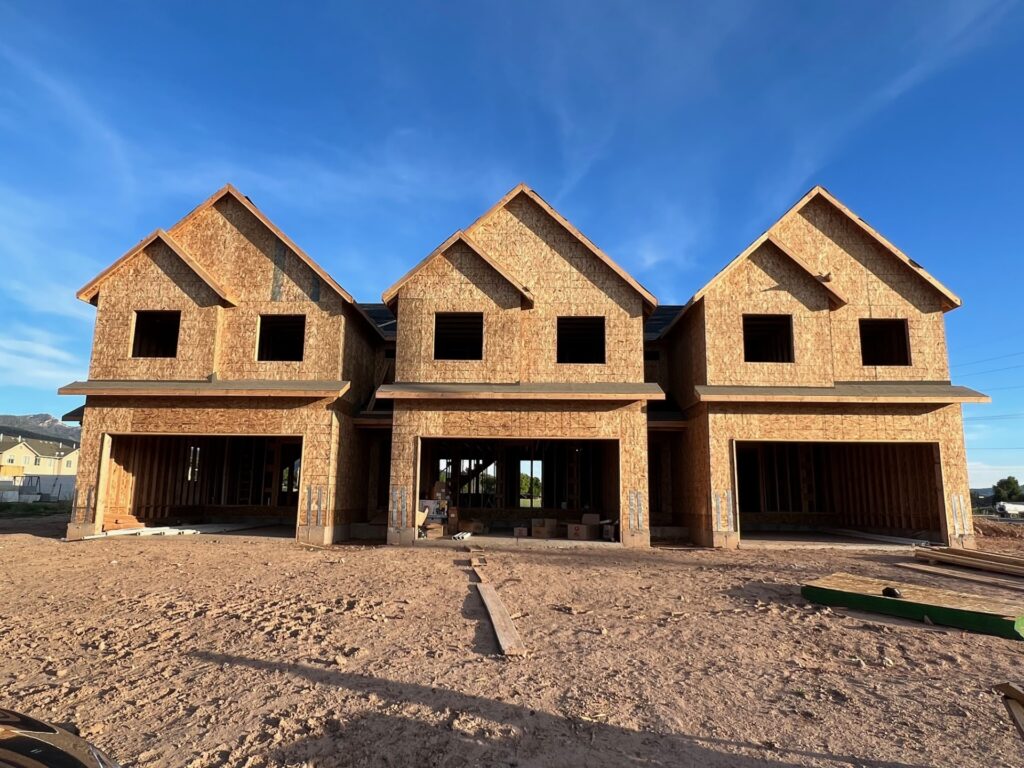
Adding onto your home is an exciting way to gain space without moving, but before your builder can break ground, the site itself often needs preparation. Whether you're clearing an old structure, addressing uneven terrain, or dealing with drainage concerns, proper land preparation plays an important role in a successful home addition project.
Why Site Preparation Matters for Additions
An addition needs a stable, properly graded foundation just like the original structure it's connecting to. If the planned addition site isn't properly prepared, existing landscaping, old concrete, uneven ground, or drainage issues can all complicate construction and potentially lead to problems with the finished addition down the road.
Clearing the Addition Site
If your planned addition location has existing landscaping, an old structure like a shed or carport, or other obstacles, these typically need to be cleared before construction can begin. This might involve removing an old concrete patio, clearing mature landscaping, or demolishing a small existing structure occupying the planned footprint.
Matching Grade With Your Existing Home
One of the more specific challenges with addition site preparation is ensuring the new construction area properly matches the grade and elevation of your existing home, so the addition integrates seamlessly rather than requiring awkward transitions or steps between old and new sections.
Addressing Drainage Before Construction
Because an addition changes your home's overall footprint, it's worth addressing drainage patterns around the new construction area before building begins. Water needs to continue flowing away from your home's foundation, both old and new, which sometimes requires adjusted grading around the addition site.
Foundation Considerations
Depending on your addition's foundation type, matching your existing home's foundation or using a different appropriate method, the underlying soil needs proper preparation and compaction to support the new structure. This is particularly important in North Texas, where clay-heavy soil requires careful attention to avoid future settling issues.
Coordinating With Your Builder or Architect
Land preparation for an addition works best when closely coordinated with your builder's specific requirements. Sharing your builder's foundation plans, grading specifications, and any other site requirements with your land preparation contractor ensures the site is prepared exactly as needed before construction begins.
Utility Considerations for Additions
If your addition requires new electrical, plumbing, or other utility connections, identifying and planning around these needs during the land preparation phase, before excavation for the new foundation begins, helps prevent complications and unexpected utility line damage during construction.
Removing Old Structures That Sit in the Addition's Path
Many addition projects require removing something first, an old patio, a small outbuilding, aging concrete, or overgrown landscaping. Handling this removal as part of your overall land preparation project, rather than a separate undertaking, keeps your project timeline more efficient.
Tips for Preparing Your Site for a Home Addition
- Share your builder's specific site and foundation requirements with your land preparation contractor before work begins.
- Confirm how grading will address matching your addition's elevation with your existing home.
- Address any drainage concerns specific to the new construction area during preparation, not after.
- If your addition site requires removing an existing structure or concrete, plan for this as part of your overall project timeline.

Proper land preparation sets the stage for a home addition that integrates seamlessly with your existing structure and holds up well for years to come.
Preparing your property for a home addition? Schedule your free estimate and get your site ready for construction.


