


How Weather Delays Are Handled in Demolition Projects
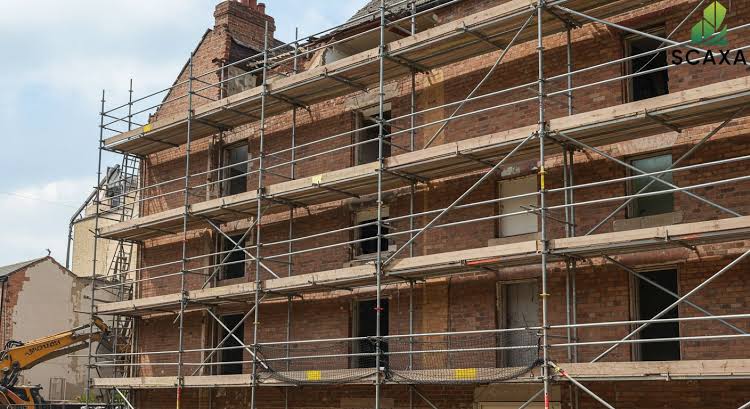
North Texas weather can be unpredictable, and homeowners planning a pool demolition, house demolition, concrete removal, or land preparation project often wonder how weather affects their project timeline. Understanding how experienced contractors plan around and handle weather delays can help set realistic expectations for your project.
Which Weather Conditions Typically Cause Delays
Heavy or prolonged rain is the most common weather factor affecting demolition timelines, particularly for projects involving excavation, backfill, or grading. Saturated soil is more difficult to properly compact, and heavy equipment can struggle to safely operate in excessively muddy conditions. Extreme heat, while less likely to cause outright delays, can affect crew working hours and overall daily efficiency.
Why Rain Specifically Affects Certain Project Phases
The demolition or breaking-apart phase of a project is generally less weather-sensitive than the backfill and grading phase that follows. Once a pool, structure, or slab is removed, filling and properly compacting that space requires soil conditions that allow for effective compaction, something that's compromised when the ground is oversaturated.
How Experienced Contractors Plan Around Weather
Experienced demolition contractors typically build some flexibility into project scheduling, understanding that North Texas weather, particularly seasonal rain patterns, may require adjusting the exact timing of certain project phases. This might mean starting demolition work as scheduled but delaying the backfill and compaction phase by a day or two if heavy rain occurs mid-project.
Communication During Weather Delays
A hallmark of a well-managed demolition project is clear communication when weather affects scheduling. Rather than leaving homeowners guessing about project status, an experienced contractor will proactively communicate if weather requires adjusting the timeline, along with a revised expectation for when work will resume.
Why Rushing Through Wet Conditions Is a Mistake
Some contractors might be tempted to push forward with backfill and compaction despite unfavorable soil conditions to stay on schedule, but this often compromises the quality of the work. Improperly compacted fill due to excessive moisture is a common cause of future settling issues, making it far better to adjust the timeline than to compromise this critical step.
Seasonal Patterns Worth Understanding
North Texas typically experiences its heaviest rainfall in the spring, which can mean more scheduling flexibility is built into projects during that season compared to typically drier periods like summer and fall. If your project has some flexibility on start date, scheduling outside of peak rain season can sometimes reduce the likelihood of weather-related delays altogether.
How This Affects Multi-Phase Projects
For projects involving multiple phases, demolition followed by land preparation, or structure removal followed by new construction prep, weather delays in one phase can have ripple effects on subsequent phases if not properly managed. An experienced team accounts for this interconnected scheduling when planning your overall project timeline.
What Homeowners Can Do
While weather itself is outside anyone's control, homeowners can help minimize the impact of potential delays by scheduling projects with some timeline flexibility when possible, staying in communication with their contractor about weather forecasts affecting their specific project, and understanding that a short weather-related delay protects the quality of work like compaction and grading, rather than being a sign of poor project management.
Questions to Ask Your Contractor About Weather Planning
- How do you typically handle scheduling adjustments due to rain or other weather?
- Will you proactively communicate with me if weather affects my project's timeline?
- Does weather ever affect the quality of backfill or compaction if work proceeds despite wet conditions?
- Is there a particular time of year you'd recommend for my specific type of project to minimize weather-related delays?
Tips for Homeowners Planning Around Weather
- Build some flexibility into your expected project timeline, particularly for projects involving excavation and backfill.
- Ask your contractor directly about their approach to weather-related scheduling adjustments.
- Understand that a short delay to protect proper compaction is preferable to rushing through wet conditions.
- If timing is flexible, consider scheduling outside of North Texas's typically heaviest rain months.

Weather is simply part of working outdoors in North Texas, and an experienced demolition contractor plans around it, communicates clearly when adjustments are needed, and never sacrifices quality just to stay on an original schedule .Ready to schedule your demolition or land preparation project? Get your free estimate today and get a realistic timeline for your property.


