


How to Remove a Cracked Concrete Slab: A Homeowner's Guide
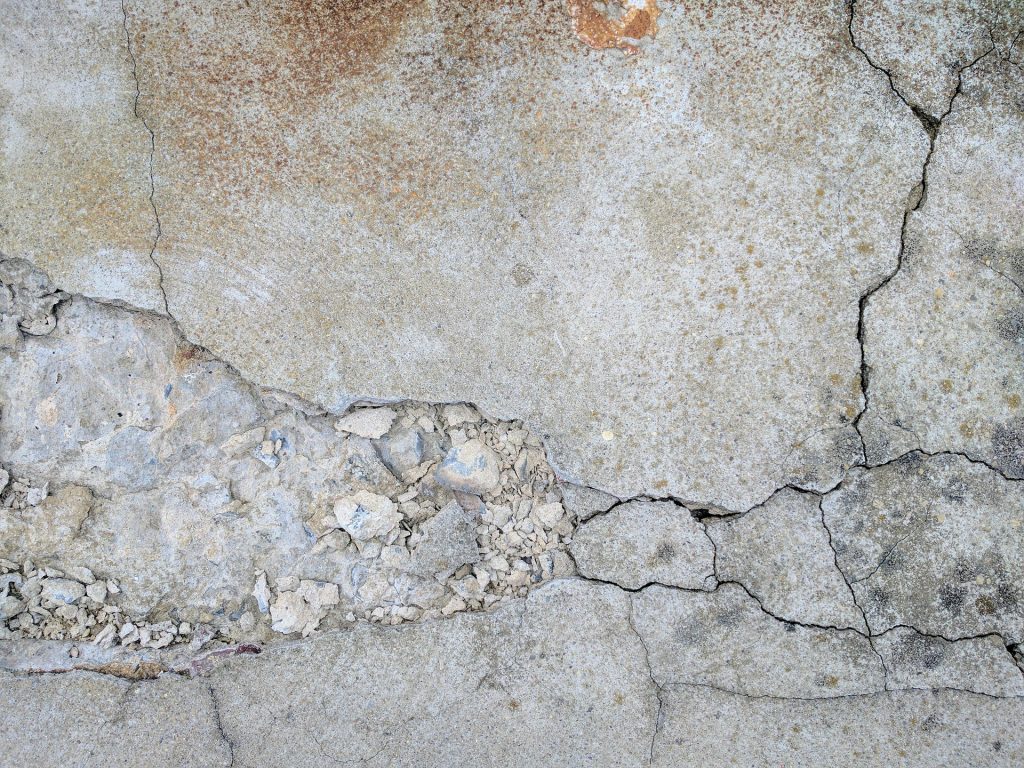
A cracked concrete slab, whether it's a driveway, patio, walkway, or old foundation, is more than just an eyesore. Left alone, cracked concrete can worsen over time, create tripping hazards, and even lead to drainage problems around your home. If you're dealing with a damaged slab on your DFW property, here's what you need to know about concrete removal and when it makes sense to bring in a professional.
What Causes Concrete Slabs to Crack
Concrete cracking is common in North Texas due to the region's shifting clay soil, which expands and contracts with moisture changes throughout the year. Other common causes include age and normal wear, poor initial installation, tree root intrusion, and heavy loads placed on concrete that wasn't designed to support them. Understanding the cause can sometimes help determine whether repair or full removal is the better long-term solution.
When to Repair vs. When to Remove Concrete
Small, isolated cracks can sometimes be patched or sealed, especially if they're purely cosmetic and not affecting the structural stability of the slab. However, concrete removal is usually the better option when cracks are widespread, when sections of the slab have shifted or settled unevenly, when water is pooling or draining incorrectly because of the damage, or when the slab is simply old enough that patching would only be a temporary fix. In many cases, homeowners find that removing and eventually replacing a badly damaged slab is more cost-effective in the long run than repeated patch repairs.
What the Concrete Removal Process Typically Involves
Professional concrete removal generally starts with an assessment of the slab's size, thickness, and condition, along with a look at how accessible the area is for equipment. From there, the process includes breaking up the concrete, removing rebar or wire mesh reinforcement if present, hauling away all debris, and, if needed, regrading the base material underneath. If you're planning to install a new slab, patio, or other surface afterward, the base preparation done during removal plays a big role in how well that new installation performs.
Driveways vs. Patios vs. Walkways
While the general removal process is similar, different types of concrete surfaces can present different challenges. Driveways are often thicker and may have more reinforcement to handle vehicle weight, which can affect removal time. Patios and walkways are typically thinner but may be closer to landscaping, structures, or property lines, requiring more careful equipment handling. Sharing details about your specific slab during a property evaluation helps your contractor plan the right approach.
What Affects Concrete Removal Cost and Timeline
The size and thickness of the slab, the amount of reinforcement inside the concrete, how easily equipment can access the area, and whether base material needs to be removed and regraded afterward all play a role in both cost and timeline. Larger, thicker slabs with extensive reinforcement naturally take more time and generate more debris than smaller, simpler removal projects.
Preparing for a New Installation
If your goal is to replace an old, cracked slab with a new driveway, patio, or other surface, concrete removal is just the first step. Sharing your plans for the new installation with your removal team helps ensure the base is properly graded and compacted to support whatever comes next, rather than requiring additional prep work later.
Signs It's Time to Call a Professional
- Cracks are widening, multiplying, or causing sections of the slab to become uneven.
- Water is pooling near the slab or draining toward your home's foundation.
- The slab has visible signs of sinking or shifting in certain areas.
- You're planning a new installation and need the old surface properly removed and the base prepared.
Tips for Homeowners Considering Concrete Removal
- Get a written estimate that separates removal, hauling, and any grading or base prep work.
- Ask whether disposal and hauling of the broken concrete are included in your quote.
- If you're planning new construction over the area, discuss that plan before removal begins.
- Ask about the crew's experience with the type of concrete on your property, since older slabs sometimes have different base materials or reinforcement than newer construction.

A cracked, damaged concrete slab doesn't have to stay a permanent problem in your yard or driveway. Professional concrete removal clears the way for a safer, more functional space, whether you're planning a new installation or simply want the hazard gone.
Ready to deal with that cracked concrete slab once and for all? Schedule your free estimate and find out what removal will involve for your property.


