


How Crushed Concrete Gets a Second Life: Recycling Explained in Depth
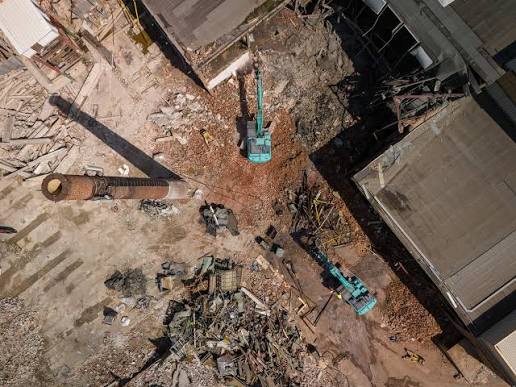
When a pool, driveway, patio, or foundation is demolished, the resulting broken concrete doesn't simply disappear into a landfill. In most cases, it embarks on a genuinely productive second life through concrete recycling. Understanding this process gives DFW homeowners a clearer picture of what actually happens to demolition debris after the crew leaves their property.
Why Concrete Is Recycled So Commonly
Concrete is one of the most recycled materials in the construction industry, for both practical and environmental reasons. Recycling reduces the volume of material sent to landfills, reduces the need for new virgin aggregate material to be quarried, and often costs less than standard landfill disposal, making it a practical choice for demolition contractors and disposal facilities alike.
The Journey From Your Property to a Recycling Facility
Once concrete is broken up during a demolition project, whether that's a pool shell, a driveway, or a foundation, it's loaded and hauled to a facility equipped to process construction debris. Depending on your specific location within the DFW Metroplex, this might be a dedicated concrete recycling facility or a broader construction and demolition debris processing center that handles multiple material types.
How Concrete Gets Crushed and Processed
At a recycling facility, broken concrete typically goes through a crushing process using specialized industrial equipment designed to break the material down into smaller, uniform pieces. Before or during this process, embedded rebar and other metal reinforcement are typically separated out, since they need to be removed before the concrete can be further processed into usable aggregate.
Separating Metal Reinforcement
Rebar and wire mesh embedded in concrete are magnetically separated from the crushed material during processing, a straightforward but essential step given how common reinforcement is in structural concrete like pool shells, driveways, and foundations. This separated metal then typically enters a completely separate metal recycling stream.
Sorting Crushed Concrete by Size
Once crushed, the resulting material is typically sorted by particle size into different grades, ranging from larger aggregate suitable for certain applications to finer material appropriate for others. This sorting process ensures the recycled material meets the specifications needed for its eventual reuse.
Common Uses for Recycled Concrete Aggregate
Recycled concrete aggregate has a range of practical applications: as base material under new roads, driveways, and parking areas, as fill material for construction projects, in some cases as aggregate in new concrete mixes, and as material for erosion control or drainage applications. The specific end use often depends on the size grade and quality of the processed material.
Quality Control in Recycled Concrete
Reputable recycling facilities test and grade recycled concrete aggregate to ensure it meets appropriate standards for its intended application, similar to quality control processes used for virgin aggregate material. This ensures recycled material performs reliably in whatever new use it's put toward.
Environmental Benefits of Concrete Recycling
Beyond simply diverting material from landfills, concrete recycling reduces the environmental impact associated with quarrying new aggregate material, including habitat disruption and the energy required for extraction and transportation of virgin materials. For homeowners interested in the environmental footprint of their demolition project, concrete recycling represents a genuinely positive outcome.
How This Affects Your Demolition Project
For most homeowners, concrete recycling happens as a standard, behind-the-scenes part of the debris hauling and disposal process, something your demolition contractor coordinates without requiring any additional effort on your part. However, if this matters to you, it's worth asking your contractor directly whether concrete recycling is standard practice for your specific project.
What Doesn't Get Recycled
While concrete and metal reinforcement are commonly recycled, other materials sometimes present in demolition debris, certain composite materials, heavily contaminated concrete, or materials that don't meet recycling facility specifications, may still require standard landfill disposal. Your contractor can provide more specific information about what applies to your particular project's debris mix.
Questions to Ask About Concrete Recycling
- Does your standard process include sending concrete debris to a recycling facility?
- Is metal reinforcement separated and recycled as part of your process?
- Are there any additional costs associated with recycling versus standard disposal?
- Can you provide any documentation confirming recycling for my specific project, if that matters to me?
Tips for Homeowners Interested in Concrete Recycling
- Ask your contractor directly whether concrete recycling is a standard part of their debris handling process.
- Understand that recycling typically happens without requiring any additional homeowner involvement or cost.
- If sustainability is a priority for your project, confirm this practice specifically rather than assuming it happens by default.
- Recognize that recycled concrete aggregate serves genuinely practical purposes in ongoing construction throughout the region, not just as an environmental afterthought.

The broken concrete from your pool demolition, driveway removal, or foundation clearing likely has a productive future ahead, crushed, processed, and incorporated into new construction projects throughout the DFW Metroplex rather than simply occupying space in a landfill.
Curious how your project's debris will be handled? Schedule your free estimate and ask us about our concrete recycling process.


