


Grading for Drainage: Preventing Water Issues on Your DFW Property
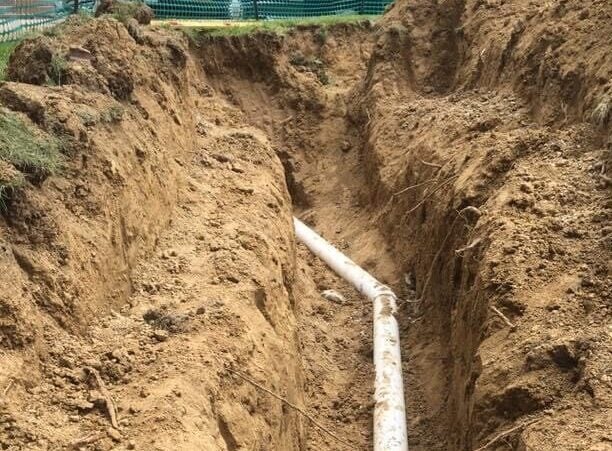
Water problems around a home rarely start with the water itself, they usually start with how the land is graded. Improper slope, uneven ground, or poor drainage planning can lead to water pooling near your foundation, soggy patches in your yard, and erosion that gets worse over time. If you're dealing with drainage issues on your DFW property, understanding how proper land grading works can help you address the problem at its source.
Why Drainage Problems Are Common in North Texas
The Dallas-Fort Worth area is known for its clay-heavy soil, which doesn't absorb water as efficiently as sandier soil types found elsewhere. When combined with North Texas's pattern of heavy seasonal rainfall, this soil composition means drainage problems are a common concern for homeowners throughout the region. Without proper grading, water has nowhere to go, leading to pooling, erosion, and potential foundation issues.
How Grading Affects Drainage
Land grading refers to shaping the slope and contour of a property's surface. Proper grading directs water away from structures, foundations, and other sensitive areas, guiding it toward appropriate drainage points rather than allowing it to collect and sit. When grading is done incorrectly, or not addressed at all, water tends to flow toward the lowest points on a property, which are often unfortunately located near a home's foundation.
Signs Your Property Has a Grading and Drainage Problem
- Water pooling in the same spots in your yard after every rain.
- Standing water near your home's foundation.
- Soggy, muddy areas that never seem to fully dry out.
- Visible erosion, especially along slopes or near downspouts.
- Water seeping into a crawl space, basement, or lower level of your home.
Why Proper Grading Matters for Foundations
Consistent water exposure near a foundation, whether from poor grading, downspout placement, or general drainage issues, can contribute to foundation movement over time, particularly in areas with expansive clay soil like North Texas. Addressing grading issues proactively is often far less costly than dealing with foundation repairs down the road.
Grading After Demolition
Drainage problems often become especially relevant after a demolition project, whether that's pool removal, house demolition, or concrete removal. Once a structure or pool is gone, the disturbed ground needs to be properly graded, not just filled and leveled, to ensure water moves away from your home and other structures rather than pooling in the newly cleared area. This is one of the most important, and sometimes overlooked, steps in a thorough demolition project.
Grading for New Construction and Landscaping
If you're preparing a lot for new construction or planning a significant landscaping project, addressing drainage through proper grading from the start prevents problems that would otherwise be far more difficult and expensive to correct once a structure or landscaping is already in place. This is why grading is considered a core part of land preparation, not an optional add-on.
What Proper Grading Typically Involves
A proper grading project starts with assessing the current slope and drainage patterns of a property, identifying problem areas, and then reshaping the land to direct water appropriately. This often includes creating a gentle slope away from structures, addressing low spots that collect water, and sometimes incorporating drainage solutions like swales or French drains for particularly challenging sites.
Working With an Experienced Team
Because drainage and grading issues are so tied to the specific conditions of your property, soil type, existing slope, structure placement, and local rainfall patterns, working with a team experienced in North Texas land preparation matters. An experienced contractor can assess your specific drainage challenges and grade your property in a way that actually solves the problem, rather than a generic leveling job that doesn't account for where water needs to go.
Tips for Addressing Drainage Through Grading
- Point out specific areas where you've noticed pooling water or erosion during your property evaluation.
- Ask how your contractor plans to direct water away from your home's foundation as part of the grading process.
- If your grading project follows a demolition, make sure drainage is specifically addressed, not just backfill and leveling.
- Consider how new landscaping or hardscaping features might interact with your property's grading and drainage plan.

Water issues on a property rarely resolve themselves, and they tend to get worse with time if the underlying grading problem isn't addressed. Proper land grading tackles drainage at its source, protecting your foundation, your landscaping, and your property's long-term stability.
Dealing with drainage or grading issues on your property? Schedule your free estimate and find out how proper grading can help.


