


Grading and Land Preparation for RV or Boat Parking Pads
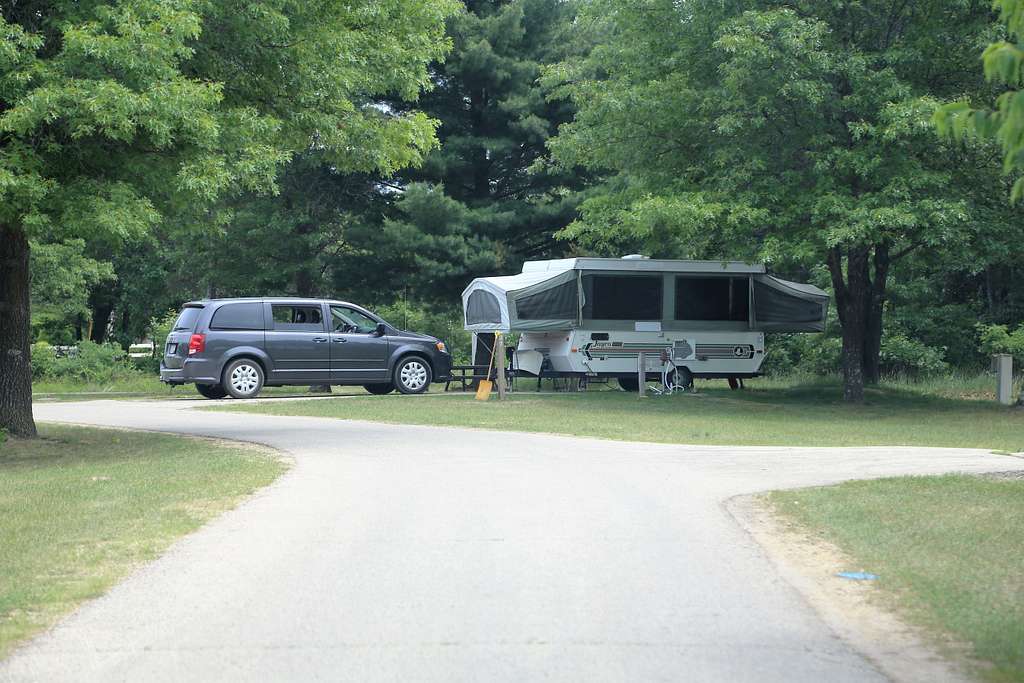
Adding a dedicated parking pad for an RV, boat, or other large vehicle requires more thought than simply picking a spot in the yard. Proper grading and land preparation ensure the area is stable, well-drained, and genuinely functional for its intended use. Here's what DFW property owners should know before installing this kind of parking area.
Why Proper Preparation Matters for Parking Pads
RVs, boats, and trailers are heavy, and an improperly prepared parking area can develop ruts, sinking, or drainage problems under that consistent weight over time. Taking the time to properly clear, grade, and compact the site before use protects both the parking surface and whatever vehicle you're storing there.
Clearing the Planned Parking Area
If your planned RV or boat pad location has existing vegetation, uneven terrain, or old materials, this needs to be cleared before grading can begin. This creates a clean, obstacle-free space to work with for the rest of the preparation process.
Grading for Proper Drainage
A parking pad needs a slight, deliberate slope to direct water away rather than allowing it to pool underneath or around a parked vehicle. Proper grading during preparation addresses this from the start, rather than dealing with standing water issues after the pad is already in regular use.
Soil Compaction for Heavy Vehicle Loads
Given the significant weight of RVs and boats, particularly larger models, proper soil compaction is especially important for this type of project. North Texas's clay-heavy soil requires careful compaction in stages to create a base stable enough to support this weight without shifting or sinking over time.
Surface Options After Land Preparation
Once the site is cleared, graded, and compacted, property owners typically choose from a few surface options: a gravel base, a poured concrete pad, or in some cases, simply well-compacted soil with appropriate ground cover. Your land preparation contractor can help you understand which base preparation best supports your specific surface choice.
Access Considerations
Beyond the parking area itself, it's worth considering how the vehicle will access the pad, whether that requires clearing an access path, addressing a driveway extension, or ensuring adequate turning radius for larger RVs or boat trailers. This is worth discussing during your property evaluation.
HOA and Local Regulations
Some neighborhoods have specific rules about RV or boat parking, including visibility from the street, required screening, or surface requirements. It's worth confirming any applicable regulations before finalizing your parking pad plans.
Combining This Project With Other Land Preparation Work
If you're addressing multiple areas of your property at once, clearing overgrown sections, addressing drainage elsewhere, or removing old structures alongside creating a new parking pad, working with a team that handles multiple aspects of land preparation keeps your overall project efficient.
Tips for Planning Your RV or Boat Parking Pad
- Share your specific vehicle size and weight with your land preparation contractor to ensure appropriate compaction planning.
- Discuss surface options, gravel, concrete, or compacted soil, and how each affects your preparation needs.
- Address drainage and slope from the start rather than after the pad is already in use.
- Check any HOA or local regulations that might apply to your specific parking plans.

A properly prepared RV or boat parking pad protects your investment in both the vehicle and the parking area itself, standing up to regular use for years to come.
Ready to prepare a parking pad for your RV or boat? Schedule your free estimate and get your site properly cleared and graded.


