


Foundation Removal: What It Involves and When You Need It
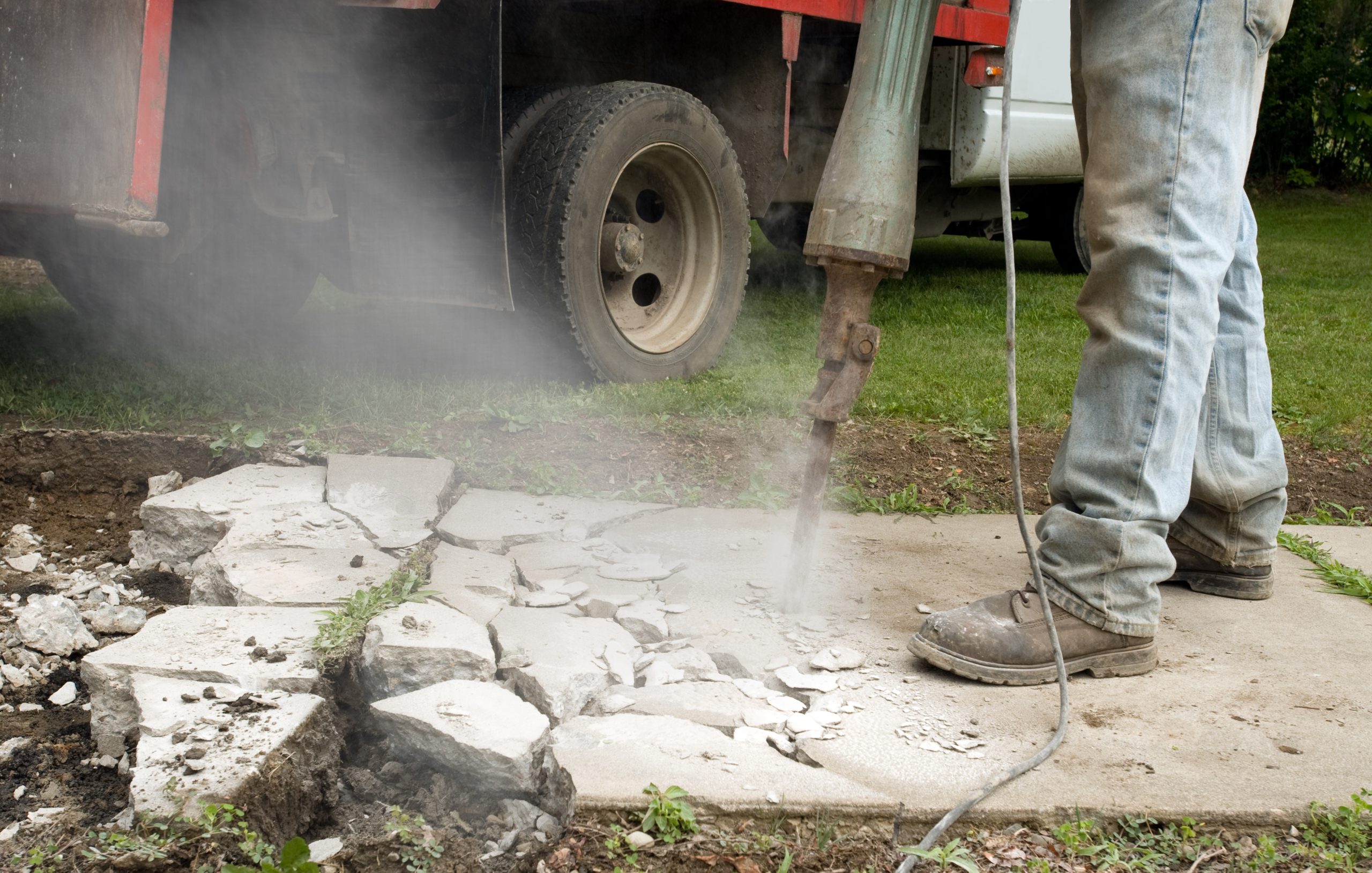
Not every demolition project ends with the removal of a structure alone. In many cases, particularly after a house or mobile home has been demolished, the foundation itself, whether that's a concrete slab, pier and beam system, or partial footing, needs to be addressed as well. If you're dealing with an old, damaged, or leftover foundation on your DFW property, here's what to know about foundation removal and when it's the right call.
What Foundation Removal Involves
Foundation removal is the process of breaking up and removing the concrete or structural base that previously supported a building. Depending on the type of foundation, a poured concrete slab, a pier and beam system, or a partial footing, the removal process can vary in complexity. In general, it involves breaking apart the concrete or structural elements, removing any embedded rebar or reinforcement, hauling away all debris, and preparing the underlying soil for its next use.
When Foundation Removal Is Necessary
Foundation removal typically becomes necessary in a few common situations: after a house or mobile home demolition, when the foundation itself is significantly damaged or no longer usable, when a property is being redeveloped with a different structure that requires a different foundation footprint, or when a foundation was left behind from a previous, incomplete demolition project. If you're purchasing or clearing a lot with a leftover foundation and no structure, this is a common project across the DFW Metroplex.
Types of Foundations and How Removal Differs
Concrete Slab Foundations. A poured concrete slab is broken up similarly to other concrete demolition projects, involving breaking the material into manageable sections, removing reinforcement, and hauling away debris. Slab foundations are common in many newer homes throughout North Texas.
Pier and Beam Foundations. Homes with a pier and beam foundation, common in older properties, sit on a system of concrete piers with a crawl space underneath. Removing this type of foundation involves demolishing the piers and any remaining structural beams, which can require a different approach than a solid slab.
Partial or Leftover Foundations. Sometimes a property has portions of an old foundation remaining from a structure removed long ago, without proper full removal at the time. These partial foundations still need to be broken up and cleared before new construction or significant landscaping can move forward.
Why Foundation Removal Matters for New Construction
If you're planning to build a new structure on a lot with an existing or partial foundation, that old foundation typically needs to be fully removed rather than built around or over. Building on top of a partially removed or improperly prepared foundation can lead to significant structural issues down the road. Complete removal ensures your new construction starts on properly prepared, uniform ground.
Foundation Removal and Soil Preparation
Once a foundation is removed, the underlying soil often needs additional preparation, including grading and compaction, before it's ready for new construction or landscaping. This is particularly important in North Texas, where clay-heavy soil requires careful compaction in stages to create a stable base for whatever comes next.
What Affects Foundation Removal Cost and Timeline
The size and type of foundation, the amount of reinforcement present, how accessible the site is for equipment, and whether additional grading or soil preparation is needed afterward all factor into the overall cost and timeline of a foundation removal project. Larger slab foundations or extensive pier systems naturally require more time and generate more debris than smaller, simpler projects.
Foundation Removal as Part of a Larger Demolition Project
In many cases, foundation removal isn't a standalone project but rather one phase of a broader demolition and site preparation effort, particularly when a house or mobile home is being removed. Working with a team that handles the entire process, structure demolition, foundation removal, debris hauling, and site grading, keeps the project streamlined rather than requiring a separate contractor for the foundation alone.
Tips for Homeowners Considering Foundation Removal
- Confirm whether your demolition estimate includes full foundation removal or just the above-ground structure.
- Ask what type of foundation your property has, since this can affect both the removal process and cost.
- If you're preparing for new construction, share your builder's specific site requirements with your demolition contractor.
- Ask about soil preparation and grading after foundation removal, especially if you're planning to build or landscape the area afterward.

Whether you're clearing a leftover foundation from a previous demolition or removing one as part of a current project, proper foundation removal is an important step in preparing your property for whatever comes next.
Dealing with an old or leftover foundation on your property? Schedule your free estimate and find out what removal will involve.


