


Erosion Control During Land Preparation Projects
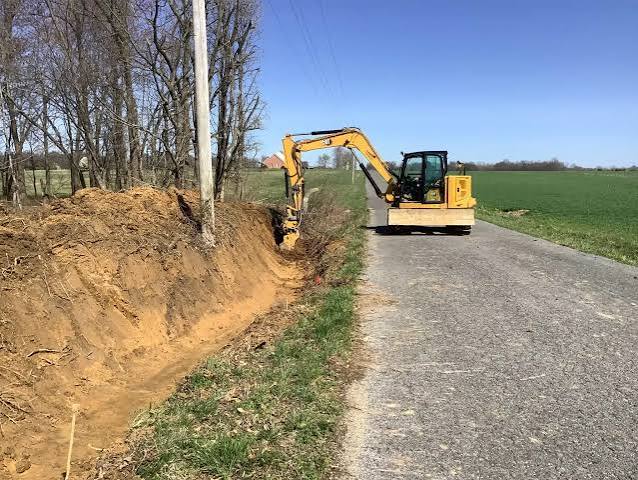
Soil erosion is a gradual but persistent problem for many DFW properties, slowly wearing away landscaping, undermining structures, and creating drainage headaches that only worsen over time. Addressing erosion properly during a land preparation project can prevent significant long-term damage to your property. Here's what homeowners should know about erosion control as part of land clearing and grading work.
Why Erosion Happens
Erosion occurs when water flow across a property's surface gradually carries away soil, particularly on slopes, areas with inadequate vegetation cover, or locations where drainage hasn't been properly planned. North Texas's clay-heavy soil, combined with periods of heavy seasonal rainfall, creates conditions where erosion can become a persistent issue if not properly addressed.
Signs of Erosion on Your Property
Visible channels or rivulets forming after rain, exposed roots on slopes where soil has washed away, sediment buildup at the base of slopes or near drainage areas, and bare patches where vegetation has been unable to establish due to constant soil movement are all common signs of an active erosion problem.
How Land Preparation Addresses Erosion
Proper land preparation, particularly grading, plays a central role in controlling erosion. By reshaping a property's slope and contour, grading can redirect water flow away from vulnerable areas, reduce the steepness of problematic slopes, and create stable surfaces less prone to soil loss during heavy rain events.
Grading Techniques for Erosion Control
Terracing steep slopes into more manageable, less erosion-prone levels, creating swales or shallow channels to direct water flow to appropriate drainage points, and establishing proper slope gradients that balance drainage needs with erosion resistance are all common grading approaches used to address erosion during land preparation.
Vegetation's Role in Erosion Prevention
Beyond grading itself, establishing appropriate vegetation cover plays a significant role in long-term erosion control, since plant roots help hold soil in place and reduce the impact of rainfall directly hitting bare ground. Land preparation projects addressing erosion often coordinate with landscaping plans to ensure the graded site supports whatever vegetation will ultimately stabilize the area.
Erosion Control After Demolition
Properties that have recently undergone demolition, whether removing a pool, structure, or old concrete, are particularly vulnerable to erosion in the newly disturbed, unvegetated soil before backfill settles and new landscaping establishes. Proper grading during the demolition and land preparation process helps minimize this vulnerability from the start.
Long-Term Consequences of Ignoring Erosion
Left unaddressed, erosion tends to worsen over time rather than resolve itself, gradually undermining structures, damaging landscaping investments, and creating increasingly significant drainage problems. What starts as a minor erosion issue can, over years, develop into a more serious and costly problem requiring extensive remediation.
When to Address Erosion Through Professional Land Preparation
If you're noticing signs of active erosion on your property, addressing it sooner rather than later through proper grading and land preparation is almost always more cost-effective than waiting until the problem becomes severe. This is particularly true before undertaking any new landscaping or construction in an area with existing erosion issues.
Working With an Experienced Contractor
Because erosion control requires understanding your specific property's slope, soil type, and drainage patterns, working with a land preparation contractor experienced in North Texas conditions matters. An experienced team can assess your specific erosion challenges and develop a grading approach that genuinely solves the underlying problem rather than a temporary fix.
Tips for Addressing Erosion on Your Property
- Point out specific areas of visible erosion during your property evaluation, including any patterns you've noticed over time.
- Ask how your contractor's proposed grading plan specifically addresses your erosion concerns, not just general leveling.
- Consider coordinating erosion-focused grading with a landscaping plan for long-term vegetation-based stabilization.
- Address erosion proactively rather than waiting for it to worsen, since early intervention is typically far less costly

Erosion doesn't resolve itself, and left unaddressed, it tends to compound into larger problems over time. Proper land preparation and grading tackle the issue at its source, protecting your property's long-term stability.
Dealing with erosion or drainage issues on your property? Schedule your free estimate and find out how proper grading can help.


