


Driveway and Patio Removal: When and Why Homeowners Do It
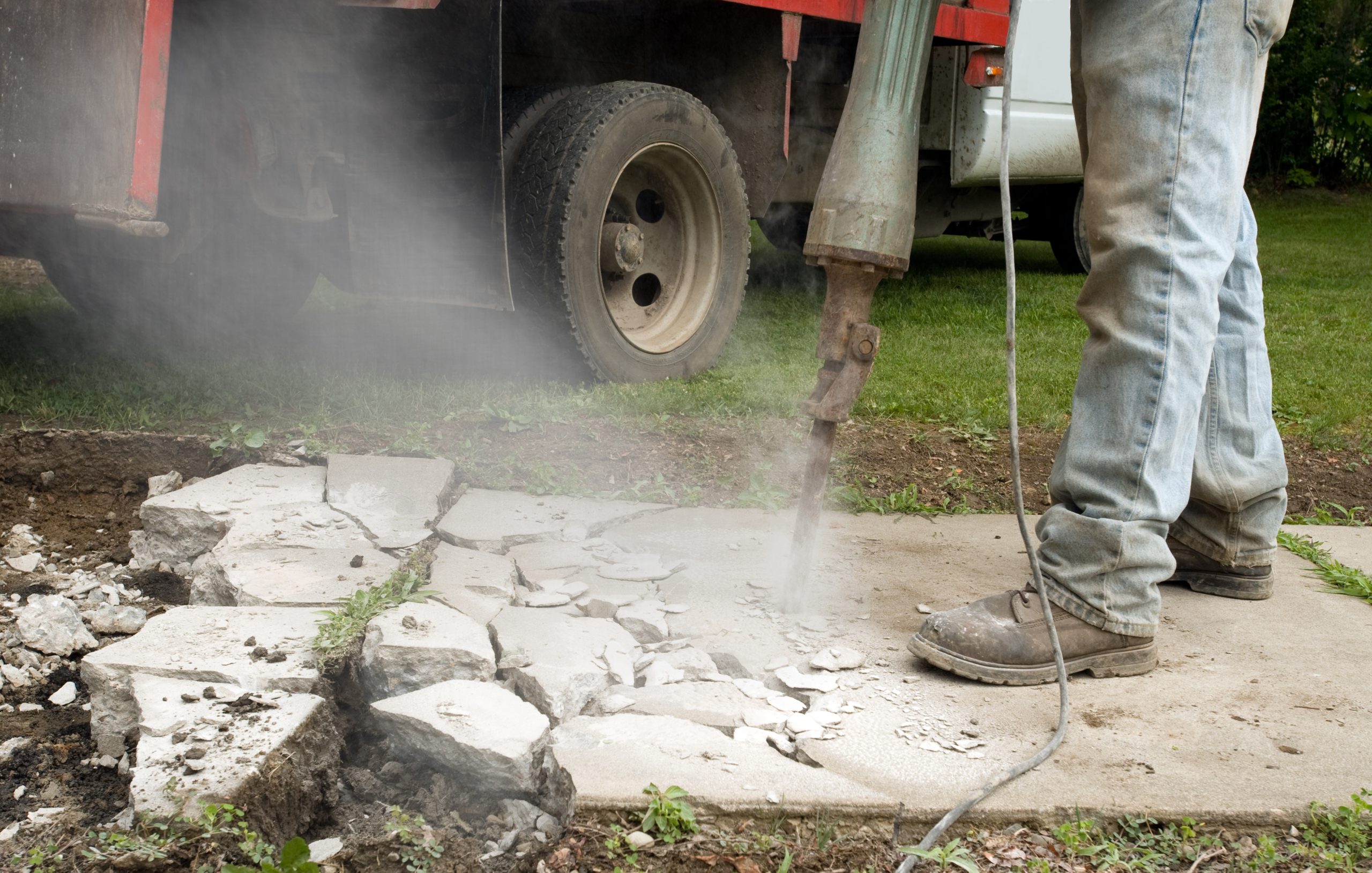
A cracked, sunken, or outdated driveway or patio can affect both the look and function of your property. For many DFW homeowners, removing old concrete is the first step toward fixing drainage issues, preparing for a new installation, or simply getting rid of a hazard that's only getting worse with time. Here's a closer look at when and why homeowners choose driveway and patio removal.
Common Reasons for Driveway Removal
Driveways take a lot of wear over the years, from vehicle weight to weather exposure to the shifting clay soil common throughout North Texas. Cracking, sinking, and uneven sections are common signs that a driveway has reached the end of its usable life. Homeowners often choose removal when repairs would only be a temporary fix, when they're planning to install a new driveway with a different layout or material, or when drainage problems near the home need to be addressed at the source.
Common Reasons for Patio Removal
Patios face similar wear and tear, but removal decisions are often tied to renovation plans. Homeowners frequently remove an old patio to make way for a larger outdoor living space, a different layout, or new materials like pavers or stamped concrete. Structural cracking, uneven settling, and water pooling near the home are also common triggers for patio removal.
Signs It's Time for Concrete Removal
- Cracks that continue to widen or multiply over time.
- Sections of the driveway or patio that have visibly sunk or shifted.
- Water pooling on or near the concrete instead of draining away properly.
- Old concrete that no longer matches your renovation or landscaping plans.
- Tripping hazards created by uneven slabs or sections.
What the Removal Process Typically Involves
Concrete removal starts with an assessment of the slab's size, thickness, and any reinforcement like rebar or wire mesh inside it. From there, the process includes breaking up the concrete, removing all debris, and, if needed, regrading the base material underneath. If you're planning a new installation afterward, proper base preparation during removal plays a major role in how well that new surface performs over time.
What Affects Concrete Removal Cost
The cost of driveway or patio removal depends on the size and thickness of the slab, how much reinforcement (like rebar or wire mesh) is embedded in the concrete, how accessible the area is for equipment, and whether base material needs to be removed and regraded afterward. Larger driveways and thicker slabs naturally take more time and generate more debris, which affects the overall project cost.
Tips for Planning a Driveway or Patio Removal Project
- Ask whether the estimate includes hauling and disposal of the broken concrete, not just the breaking and removal itself.
- Confirm whether base material and grading are included if you're planning a new driveway, patio, or landscaping afterward.
- If you're removing concrete to prepare for a new installation, talk to your concrete removal team about the layout you have in mind so the site is prepared correctly the first time.
- Ask about the crew's experience with the type of concrete on your property, since older driveways and patios can sometimes have different reinforcement or base materials than newer construction.

Getting Started With Concrete Removal
Whether your driveway or patio is cracked, sunken, or simply ready for an upgrade, professional concrete removal clears the way for whatever comes next. Getting the base properly prepared during removal sets the stage for a longer-lasting result, whether that's new concrete, pavers, or landscaping.
Ready to remove that old driveway or patio? Schedule your free estimate and get a clear plan for your project.


