


Decorative or Stamped Concrete Removal: What to Know
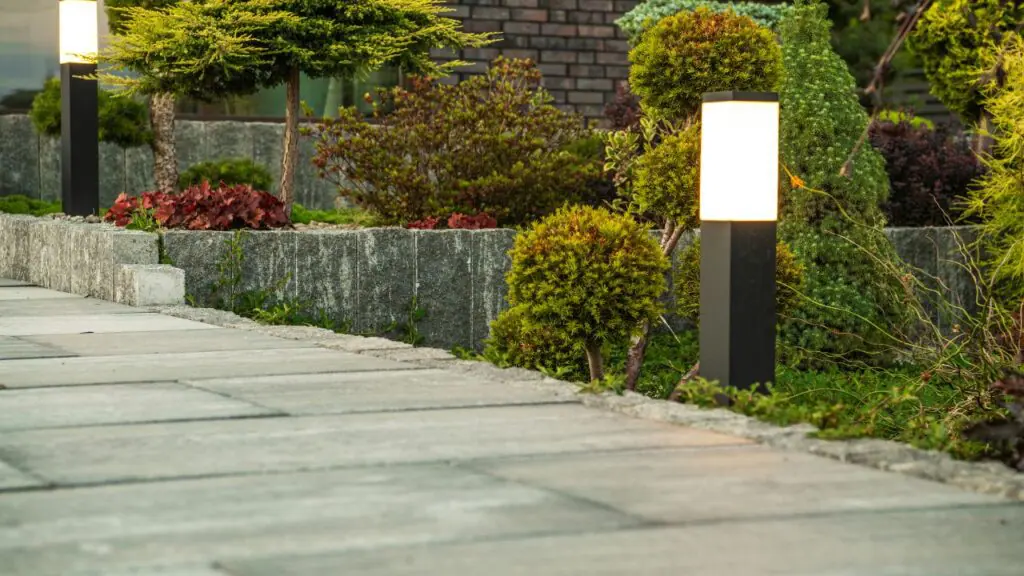
Decorative and stamped concrete adds visual interest to patios, driveways, and walkways, but like any concrete surface, it can crack, fade, or become damaged over time. If you're dealing with deteriorating stamped or decorative concrete, here's what to know about the removal process.
What Makes Decorative Concrete Different
Stamped concrete is textured and patterned during installation to mimic materials like stone, brick, or tile, while other decorative concrete may include color additives, exposed aggregate finishes, or other surface treatments. These finishing techniques affect the concrete's surface appearance but don't fundamentally change the underlying structural material or removal approach compared to standard concrete.
Why Decorative Concrete Gets Damaged
Like any concrete surface, decorative and stamped concrete is subject to cracking from North Texas's shifting clay soil, surface wear from foot traffic and weather exposure, and sometimes color fading or surface deterioration specific to the decorative finish itself. Cracks in stamped concrete can also be more visually noticeable given the patterned surface, making damage stand out more than it might on plain concrete.
When Repair Isn't a Good Option
While minor surface issues can sometimes be addressed with resealing or color touch-ups, structural cracking or significant damage typically requires full removal rather than surface-level repair. Attempting to patch structural damage in decorative concrete rarely blends seamlessly with the surrounding pattern or texture, often making repairs look worse than the original damage.
What the Removal Process Involves
Removing decorative or stamped concrete follows the same fundamental process as standard concrete removal: breaking up the slab, removing any embedded reinforcement, and hauling away the resulting debris. The decorative surface treatment itself doesn't require special removal techniques, since it's part of the same concrete material rather than a separate layer.
Preparing for New Decorative Concrete
If you're planning to install new decorative or stamped concrete after removal, proper base preparation during the removal process matters significantly, since decorative concrete often requires precise leveling and preparation to achieve the desired pattern and finish quality in the new installation.
Considerations for Pool Deck Applications
Decorative and stamped concrete is a common choice for pool decking specifically, given its slip-resistant texture options and aesthetic appeal. If you're removing a pool along with its stamped concrete deck, this is typically addressed as part of a complete pool demolition project rather than a standalone concrete removal.
What Affects Removal Cost
The size and thickness of the decorative concrete area, the amount of reinforcement present, and site accessibility all factor into cost, similar to standard concrete removal. The decorative finish itself doesn't typically add significant cost to the removal process, since the underlying material and removal technique remain the same.
Tips for Homeowners Considering Decorative Concrete Removal
- Get a professional assessment to confirm whether removal or a surface-level repair is the more appropriate solution.
- If you're planning new decorative concrete, discuss your design vision with your removal team to ensure proper base preparation.
- Ask whether reinforcement or unusual installation details specific to decorative concrete affect your project's cost or timeline.
- If your project involves a pool deck, confirm whether removal is included as part of your broader pool demolition estimate.

Whether your decorative or stamped concrete has reached the end of its life or simply doesn't fit your updated design plans, professional removal clears the way for whatever comes next, standard concrete, a new decorative installation, or an entirely different landscaping feature.
Ready to remove damaged decorative or stamped concrete? Schedule your free estimate and get a clear plan for your project.


