


Common Pool Demolition Myths, Debunked
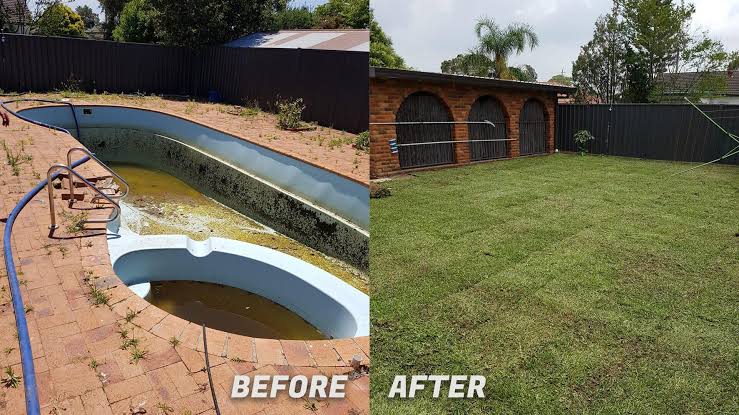
Misinformation about pool demolition circulates widely, sometimes leading homeowners to delay a project unnecessarily or approach it with the wrong expectations. Here are some of the most common myths about pool demolition, and the reality behind each one.
Myth: You Can Just Fill In a Pool With Dirt and Be Done
This is one of the most persistent and problematic myths. Simply dumping dirt into a drained pool without properly breaking up the structure, addressing drainage, and compacting the fill in stages leads to significant settling problems down the road, sometimes creating a sinkhole-like depression years after the "fill" was completed. Proper pool demolition involves genuinely removing or addressing the structure itself, not just covering it with loose material.
Myth: You Don't Need a Permit If You're Just Filling the Pool
Permit requirements typically apply based on the scope of work being performed, not simply how a homeowner chooses to describe the project. Most DFW cities require permits for pool demolition regardless of whether you're pursuing complete or partial removal, and skipping this step can lead to fines and complications down the road.
Myth: Partial Demolition Is Always Cheaper and Just as Good
While partial demolition typically costs less upfront than complete removal, it's not automatically the "same" outcome at a lower price. Partial demolition leaves material below grade, which can affect future construction plans and, in some cases, long-term settling behavior differently than complete removal. The right choice depends on your specific goals, not simply choosing the cheaper option by default.
Myth: Pool Demolition Always Takes Weeks to Complete
Many straightforward residential pool demolition projects are completed within a matter of days once permits are approved, not weeks. Project timeline depends on pool size, complexity, and site access, but the actual demolition and site preparation work itself is often faster than homeowners expect.
Myth: Any General Contractor Can Handle Pool Demolition
While some general contractors do offer demolition services, pool demolition specifically involves unique considerations, draining regulations, structural breakup of reinforced concrete, and precise backfill and compaction requirements, that benefit from a contractor with specific experience in this type of project rather than general construction or demolition experience alone.
Myth: Once the Pool Is Removed, You Don't Need to Worry About the Site Anymore
The demolition itself is only part of the process. Proper backfill, compaction in stages, and grading are what actually determine whether your yard remains stable long-term. Skipping or rushing this part of the process is one of the most common causes of problems homeowners discover months or years later.
Myth: Removing Your Pool Will Definitely Increase Your Home's Value
While removing a deteriorating, unused pool can improve marketability in many situations, the actual impact on home value depends heavily on your specific neighborhood, local buyer preferences, and market conditions. It's not a universal guarantee, and homeowners should research their specific local market rather than assuming removal automatically increases value.
Myth: Saltwater Pools Require a Completely Different Demolition Process
As covered in more detail elsewhere, the water treatment system, saltwater or traditional chlorine, doesn't fundamentally change how a pool's structure is demolished. The core process, draining, breaking up the shell, hauling debris, and backfilling, remains the same regardless of water type.
Myth: You Can Skip Getting Multiple Estimates Since Pool Demolition Pricing Is Standard
Pool demolition cost varies significantly based on pool size, construction type, access, and the specific scope of work included in an estimate. There's no standard, universal price, which is exactly why getting multiple detailed estimates and comparing them carefully matters so much.
Myth: Once You Sign a Contract, the Price Can't Change
While a detailed, accurate estimate should reflect the final cost in most cases, unexpected conditions discovered once work begins, unusual underground obstacles or more extensive equipment than initially visible, can sometimes lead to legitimate cost adjustments, which should always be documented and communicated clearly.
Getting Accurate Information for Your Specific Project
The best way to cut through myths and misinformation is a direct, in-person property evaluation with an experienced pool demolition contractor who can address your specific questions with accurate, project-specific information rather than general assumptions.
Tips for Homeowners Sorting Fact From Fiction
- Ask direct questions of any contractor you're considering rather than relying on assumptions or secondhand information.
- Be skeptical of any approach that sounds like a shortcut, particularly around permits or proper backfill.
- Get information specific to your property and pool type rather than generic online claims.
- Choose a contractor willing to explain their process clearly rather than one who simply asks you to trust them.

Understanding the reality behind common pool demolition myths helps you approach your project with accurate expectations and make decisions based on facts rather than misinformation.
Ready to get accurate, project-specific information for your pool demolition? Schedule your free estimate and get straightforward answers to your questions.


