


Choosing the Right Fill Material for Backfilling Your Pool or Excavation
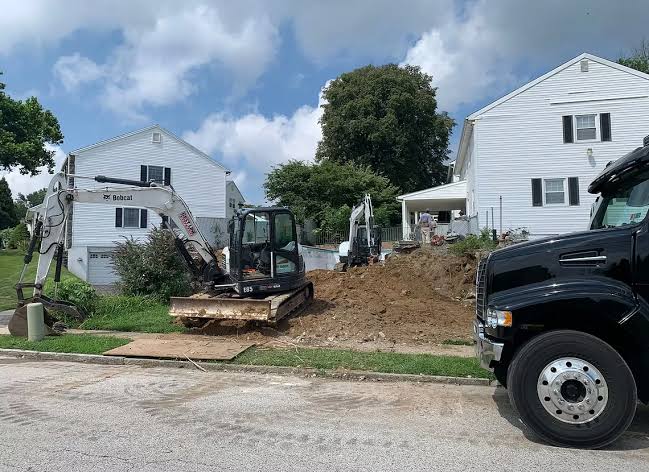
Once a pool, structure foundation, or other excavation is demolished, the resulting space needs to be filled with appropriate material before compaction and grading can create a stable surface. Not all fill material is created equal, and understanding what makes material suitable for this purpose helps homeowners better understand this critical part of their demolition project.
Why Fill Material Choice Matters
The material used to backfill an excavation directly affects how well that area compacts, how it drains, and how stable it remains over time. Using inappropriate material, or material with excessive organic content or debris, can lead to settling, decomposition-related sinking, or drainage problems long after a project appears complete.
Common Types of Fill Material
Clean Fill Dirt. Soil free of significant organic material, debris, or contaminants is generally considered clean fill, suitable for backfilling most excavations when properly compacted in stages.
Sand. Sand is sometimes used as part of a backfill strategy, particularly in specific layers, since it can offer good drainage characteristics, though it's typically not used exclusively for deep excavations given different compaction behavior compared to soil.
Crushed Concrete or Aggregate. Recycled crushed concrete, as covered in more detail elsewhere regarding concrete recycling, is sometimes used as fill material, particularly for the lower portions of an excavation, offering good compaction characteristics and giving demolished concrete a practical second use.
Native Soil. In some cases, soil excavated from the same property, if suitable in composition, can be reused as backfill material rather than needing to source fill from elsewhere, which can also help manage excess material generated by the project.
What Makes Fill Material Unsuitable
Material containing significant organic matter, like wood, leaves, or other decomposable content, is problematic for backfill since organic material breaks down over time, creating voids and subsequent settling as decomposition progresses. Fill material with excessive debris, large rocks, or construction waste also compacts poorly and unevenly.
Layering Different Materials
Sometimes a backfill strategy involves layering different materials, perhaps crushed concrete or larger aggregate in the lower portions of a deep excavation, transitioning to finer soil material closer to the surface, particularly if the surface will support landscaping or lighter use compared to what might be built directly on the fill.
How Fill Choice Affects Compaction
Different materials compact differently, and understanding a specific fill material's compaction characteristics helps ensure the compaction process, discussed in more detail elsewhere, is appropriate for what's actually being used. This is part of why experienced contractors follow specific procedures for different fill types rather than treating all backfill the same way.
Fill Material Considerations for Future Construction
If you're planning to build over a backfilled excavation, whether that's a new structure, a patio, or another feature, the fill material and its compaction need to meet the load-bearing requirements appropriate for what's being constructed. This is a more demanding standard than backfill intended only to support a lawn or light landscaping.
Sourcing Quality Fill Material
Reputable demolition contractors typically source fill material from known, quality suppliers or use appropriately processed material from the project itself, like crushed concrete, rather than using questionable or unknown-origin fill that could compromise the final result.
Questions to Ask About Fill Material
- What type of fill material do you use for backfilling excavations like mine?
- Is any of the fill material sourced from my own property's excavated soil or crushed concrete?
- How does your fill material choice affect the compaction process for my specific project?
- What load-bearing standard does your backfill meet if I'm planning future construction over this area?
Tips for Homeowners Regarding Fill Material
- Ask your contractor directly about the type of fill material planned for your project.
- If you're planning future construction over the backfilled area, confirm the fill and compaction standard meets appropriate load-bearing requirements.
- Understand that quality fill material and proper compaction work together, neither alone guarantees a stable result.
- Don't assume all fill dirt is interchangeable, since composition significantly affects long-term stability.

Choosing appropriate fill material, and combining it with proper compaction technique, forms the foundation for a demolished area's long-term stability, whether that space eventually becomes a lawn, a garden, or the site of new construction.
Curious about the backfill process for your specific project? Schedule your free estimate and ask us about our fill material and compaction approach.


