


Above-Ground vs. In-Ground Pool Removal: What's the Difference?
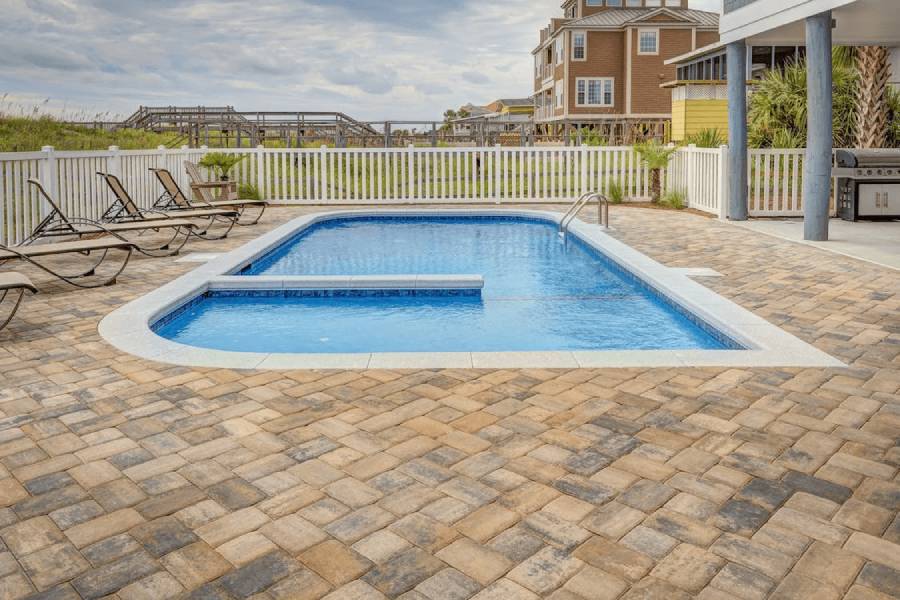
Not all swimming pools are created equal, and neither are the demolition projects that remove them. Above-ground and in-ground pools require very different removal approaches, and understanding those differences can help you know what to expect if you're planning to remove either type from your DFW property.
Above-Ground Pool Removal: What's Involved
Above-ground pools are generally simpler and faster to remove than their in-ground counterparts. The process typically involves disassembling or breaking down the pool structure itself, which is usually made of metal, resin, or a similar framed material, removing the liner, and clearing away any surrounding decking or support structures. Because above-ground pools don't require excavation, removal is often quicker and less labor-intensive.
In-Ground Pool Removal: What's Involved
In-ground pools, typically constructed from gunite, concrete, or fiberglass, require a more involved removal process. This includes draining the pool, breaking up the structural shell, removing embedded rebar or reinforcement, and hauling away all the resulting debris. Once the shell is removed, the excavated space needs to be properly filled, compacted in stages, and graded to prevent future settling. This entire process, especially the excavation and backfill portion, is what makes in-ground pool demolition a more significant undertaking than above-ground removal.
Complete vs. Partial Demolition for In-Ground Pools
In-ground pool removal typically offers homeowners a choice between complete demolition, removing the entire structure, and partial demolition, removing only the required upper sections while leaving some material below grade. This distinction generally doesn't apply to above-ground pools, since there's no underground structure to consider once the above-ground components are removed.
Decking Differences
Above-ground pools sometimes have surrounding wood or composite decking that needs to be removed as part of the project, while in-ground pools are more commonly surrounded by concrete decking. Concrete deck removal adds another layer of demolition work, including breaking up and hauling away the concrete, that typically isn't a factor with above-ground pool removal.
Site Restoration After Removal
Once an above-ground pool is removed, the site typically requires less extensive restoration since there's no excavation to fill. In many cases, simple grading and possibly some sod or landscaping work is all that's needed. In-ground pool removal requires more substantial site restoration, since the excavated area needs proper backfill and compaction before the space is stable and ready for its next use.
Cost Differences Between the Two
Because in-ground pool removal involves excavation, debris hauling, and extensive backfill and grading work, it typically costs significantly more than above-ground pool removal. Above-ground pool removal is generally a faster, more budget-friendly project given the reduced scope of work involved.
Permit Requirements
Permit requirements can also differ between above-ground and in-ground pool removal, depending on your city. In-ground pool demolition, given its more extensive scope and the potential safety considerations around excavation, is more consistently subject to permitting requirements across the DFW Metroplex. Some cities have lighter or no permit requirements for above-ground pool removal, though this varies and is worth confirming with your specific city.
Equipment Considerations for Both Types
Both above-ground and in-ground pools often come with pumps, filters, and sometimes heaters that need to be properly disconnected before removal begins. This step applies regardless of pool type, though the complexity of disconnection can vary depending on how the equipment is installed and connected to your property's utilities.
Which Type of Removal Do You Need?
If you're unsure whether your specific pool falls into a straightforward or more complex removal category, an in-person property evaluation is the best way to get clarity. A contractor can assess your pool's construction, size, and site conditions to give you an accurate picture of what your specific project will involve, regardless of whether it's an above-ground or in-ground removal.
Tips for Homeowners Planning Either Type of Removal
- Confirm which category your pool falls into, above-ground or in-ground, since this significantly affects cost, timeline, and process.
- Ask whether your specific project requires a permit in your city.
- If you have an in-ground pool, ask your contractor to explain the difference between complete and partial demolition for your property.
- Point out any pool equipment or decking that needs to be addressed as part of the removal, regardless of pool type

Whether you're dealing with a simple above-ground pool or a more involved in-ground removal, understanding what each process involves helps you plan realistically for your project's timeline and budget.
Ready to find out what removal will involve for your specific pool? Schedule your free estimate and get a clear plan for your property.


